TLDR;
- Blasting every website visitor with the exact same retargeting ad for 180 days is the fastest way to burn your ad budget on fatigue and banner blindness.
- Middle of Funnel (MOFU) retargeting must focus on overcoming friction, showcasing feature depth, and delivering value—not begging for a sales call or credit card details.
- Bottom of Funnel (BOFU) audiences (trial drop-offs, abandoned checkouts) need laser-focused urgency, objection handling, and ultra-frictionless pathways to activate.
- Proper audience exclusion logic is non-negotiable; if you do not exclude recent converts from top-of-funnel campaigns, you are paying double for non-buyers.
- This blueprint includes an interactive Retargeting ROI & CAC Calculator, audience hierarchy diagrams, and exact copywriting frameworks for high-converting retargeted ads.
Most retargeting campaigns fail because founders and marketers treat every site visitor like they are standing at the exact same point in their buying journey. Someone who skimmed your blog post for 12 seconds from a random LinkedIn link has completely different intentions from someone who spent six minutes on your pricing page, clicked "Start Free Trial", and abandoned when prompted for their credit card. Treating both of these users to the same generic brand ad is not just inefficient—it actively destroys your return on ad spend.
In our experience managing paid acquisition across B2B SaaS, eCommerce, and high-ticket service brands, we repeatedly see media buyers paying ad networks to show "awareness" ads to people who are already fully aware of the product. They throw up a single retargeting ad set targeting "All Website Visitors 180 Days" and wonder why their cost per acquisition spikes while conversion rates plummet. When set up incorrectly, retargeting simply becomes a mechanism where you pay social media platforms to display ads to non-customers who have zero intent to return.
To turn cold traffic and lukewarm trial users into paying customers, you need a structured Middle of Funnel (MOFU) and Bottom of Funnel (BOFU) retargeting architecture. You must split your pixel data into distinct, time-decayed tiers, serve tailored creative angles that address specific doubts, and systematically exclude converted users from early-stage ad sets. Here is how you build a retargeting machine that actually scales revenue without wasting money on low-intent impressions.
Why Do Most Retargeting Campaigns Burn Cash Without Generating Sales?
The single biggest reason retargeting campaigns fail is the lack of audience segmentation and creative alignment. Marketers assume that because a prospect visited their site, the prospect is inherently ready to purchase. In reality, a website visit is merely an initial signal of curiosity, not an expression of buying intent.
When you aggregate all site traffic into one big audience bucket, your ad frequency skyrockets. A user who checked out your homepage three months ago gets bombarded with your logo daily, leading to severe ad fatigue. They tune out your messaging, or worse, develop negative sentiment towards your brand. Meanwhile, the prospect who dropped off your checkout flow yesterday gets the exact same generic image ad instead of a direct answer to their pressing technical or pricing objection.
Another major mistake is ignoring product-led friction. In SaaS campaigns, for instance, we frequently see brands sending retargeting traffic straight back to a "Request a Demo" landing page. Asking a busy executive to book a 30-minute sales call after they already left your site is high-friction and low-value. If you want high-intent prospects to convert, you need to deliver an "aha!" moment instantly rather than adding bureaucratic hurdles to your sales process.
Finally, poor tracking hygiene ruins retargeting efficiency. Without granular pixel custom events and server-side tracking, platforms like Meta and Google cannot differentiate between a casual blog reader and someone who completed a signup. If you are struggling with low conversion numbers despite high site engagement, it is worth looking at how your tracking is structured; you can read our deep dive on how to fix failing ad campaigns and rebuild tracking pipelines to ensure your pixel data is rock solid before throwing more capital at ad sets.
Retargeting Conversion Rate & CPA Benchmarks
Comparing Generic Retargeting vs Segmented MOFU/BOFU Funnels
CPA Efficiency Improvement
How Should You Structure Middle of Funnel (MOFU) Retargeting Audiences?
Middle of Funnel prospects know who you are, but they are not convinced you hold the exact solution to their immediate frustration. They may have read a couple of blog posts, viewed your solutions page, or engaged with a top-of-funnel video ad. They are evaluating options, comparing features, and questioning whether your product justifies their time or budget.
Your goal at MOFU is to build category authority, eliminate technical doubt, and demonstrate clear differentiation. You are not asking for a purchase or credit card submission yet; you are nurturing interest and driving qualified intent down toward the bottom of the funnel.
To structure MOFU audiences effectively, group your pixel custom events and web traffic into specific 14-day to 45-day windows:
- High-Intent Content Consumers: Users who visited specific product pages, feature breakdowns, or comparison pages in the last 30 days (excluding those who initiated a checkout or trial).
- Engaged Video Viewers: Accounts or users who watched at least 50% of your top-of-funnel video assets on Meta, TikTok, or YouTube within the past 30 days.
- Active Ad Engagers: Users who interacted with your paid ads or clicked through to landing pages but spent less than 30 seconds on site.
For MOFU creative, drop the hard-sell pitches. Instead, deploy the Before-After-Bridge narrative framework. Show them the frustrating reality they currently endure without your tool, contrast it with the seamless efficiency they achieve once implemented, and position your product or trial as the bridge between those two states.
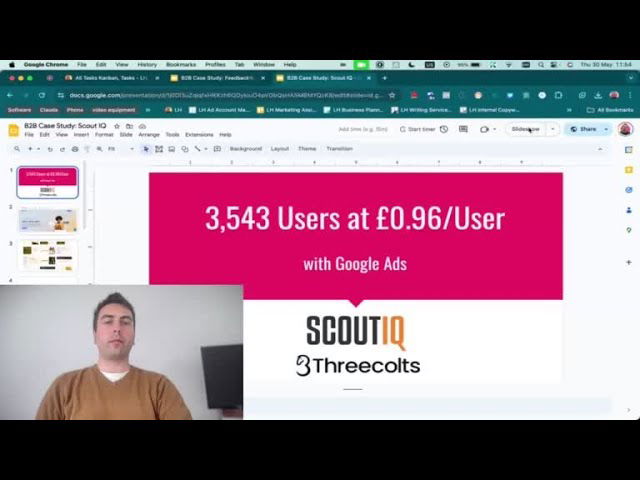
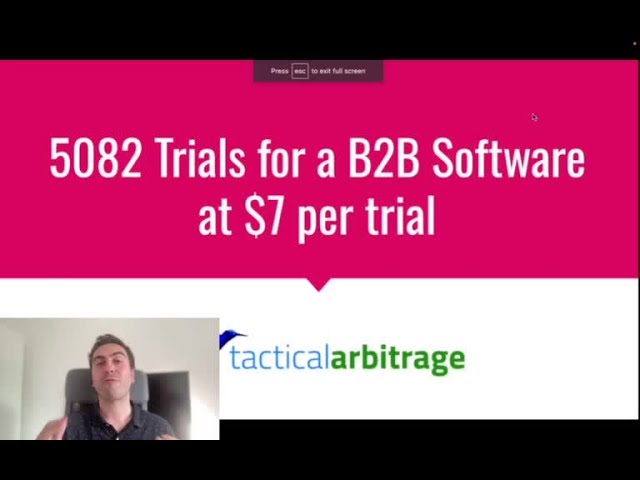
We recently applied this exact framework for a B2B SaaS platform in the workflow space. Rather than running brand banners, we retargeted 30-day website visitors with short User Generated Content (UGC) videos showcasing a real user setting up an automated workflow in under two minutes. By showing the product in action rather than just talking about it, we drove 1,535 trials while keeping acquisition costs flat. Building a full-funnel strategy requires aligning creative format with buyer maturity; check out our master blueprint on the full-funnel paid advertising playbook for actionable frameworks across every stage.
Full-Funnel Audience Exclusion & Flow Architecture
What Tactics Work Best for Bottom of Funnel (BOFU) Trial and Cart Drop-Offs?
Bottom of Funnel is where high-intent prospects stall out right before completing a commercial action. They visited your pricing page, clicked on a sign-up link, initiated a registration form, or activated a free trial but failed to turn into a paying customer.
At this stage, generic brand messaging is completely useless. The prospect already knows what you do and how much it costs. Something specific stopped them: fear of a complex implementation, concern over hidden costs, lack of time to test the platform during their trial, or internal approval hurdles.
To convert BOFU drop-offs, your strategy must focus on friction reduction, direct social proof, and high-urgency messaging. Here are the core BOFU audience buckets you need to build immediately:
1. Abandoned Registration / Trial Drop-Offs (1-7 Days): Users who landed on the signup page or initiated trial setup within the last week but did not fire the completion pixel. Target them with direct Problem-Agitate-Solve copy that directly addresses their hesitation. If your SaaS requires no credit card for a trial, shout that out in bold headline text. In many software campaigns, simply removing upfront card requirements and highlighting "No Credit Card Required - Setup in 60 Seconds" drops cost per trial drastically.
2. Inactive Trial Users (Day 3 to Day 12 of Trial): Users who started a trial but have low product usage metrics. Instead of sending them sales pitches, run retargeting ads highlighting your most valuable feature or a quick 1-minute video showing how to unlock immediate value in the app. Convert them into Product Qualified Leads (PQLs) by pushing them back into the product to experience that crucial "aha!" moment.
3. Pricing Page Visitors (1-14 Days): High-intent visitors who spent significant time on pricing options but did not convert. Retarget them with direct comparison charts against major competitors, case studies highlighting clear ROI, or a limited-time launch offer (like a lifetime deal or discount on annual billing).
For high-ticket physical products or B2B SaaS, case study creatives perform exceptionally well here. When we ran retargeting for a medical job matching platform, we moved away from stock feature images and served BOFU audiences clear quotes from real practitioners detailing exact outcomes. That single adjustment helped us reduce CPA from £100 down to £7 per user acquisition across Meta and Google Ads.
Retargeting CAC & Return Simulator
Adjust traffic, conversion rates, and average customer value to model your retargeting economics.
How Do You Write Retargeting Ad Copy That Converts Doubt into Sales?
Top-of-funnel ad copy generates initial curiosity, but retargeting copy must dismantle doubt piece by piece. When a prospect sees your MOFU or BOFU ad, they are asking themselves specific questions: "Will this actually work for my specific use case?", "Is this hard to install?", "Why should I pick this over alternative tools?"
To overcome these hesitations, use distinct copywriting angles tailored to the user's friction point:
Angle 1: Direct Objection Handling (BOFU)
Address the primary reason people hesitate to buy. If your software takes hours to set up, explicitly counter that fear in your ad headline.
Example Copy: "Thought switching accounting tools would take weeks of manual data entry? Our 1-click import migrates all your historical ledger data in under 4 minutes. Test it out today with a completely free trial—no credit card required."
Angle 2: Social Proof & Quantifiable Results (MOFU / BOFU)
Instead of bragging about your platform, let your current client metrics do the heavy lifting. Case study stats build instant credibility.
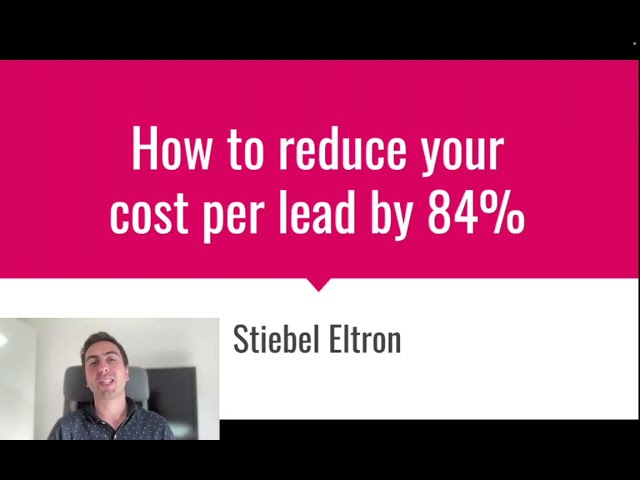
Example Copy: "How an environmental controls company reduced their B2B cost per lead by 84% on LinkedIn. Read the full breakdown and see the exact account structure we used to scale qualified inquiries."
Angle 3: The Risk-Reversal Offer (BOFU)
Remove financial and technical risk completely. For eCommerce, this means highlighting free returns or money-back guarantees. For SaaS, this means pushing no-friction freemium access or automated audits.
We often tell founders to delete the "Request a Demo" button from their retargeting ads entirely. It presumes that a busy decision maker wants to sit through a sales pitch. Instead, offer a lightweight asset, like an interactive calculator, a free account review, or direct trial access. If you want to refine your creative messaging and split-test angles properly, dive into our framework on advanced ad creative and copywriting testing.
Which Ad Platforms Should You Use for MOFU and BOFU Retargeting?
Not all advertising platforms deliver equal retargeting performance. Choosing where to distribute your MOFU and BOFU budget depends entirely on where your buyers spend time and how they execute searches.
| Ad Platform | Best Funnel Stage | Optimal Ad Formats | Strategic Fit |
|---|---|---|---|
| Meta (Facebook/Instagram) | MOFU & BOFU | UGC Video, Carousel Ads, Dynamic Product Ads | Unbeatable for visual social proof, video testimonials, and dynamic product remarketing across B2C and B2B SaaS. |
| Google Search (RLSA) | BOFU | Search Text Ads with Phone & Callout Extensions | Remarketing Lists for Search Ads allow you to bid aggressively on high-intent terms when previous site visitors search for competitors. |
| LinkedIn Ads | MOFU & BOFU (B2B) | Thought Leadership Ads, Single Image, Lead Gen Forms | Expensive CPMs, but unmatched precision for reaching decision-makers in target accounts who visited your pricing page. |
| YouTube Ads | MOFU | In-Stream Video (15-30 secs), Discovery Ads | Ideal for delivering detailed product walkthroughs, onboarding teasers, and founder stories to warm site visitors. |
When running retargeting across channels, keep platform mechanics in mind. On Meta, for instance, broad targeting works great for TOFU once your pixel has thousands of conversion events, but for retargeting, custom audience lists are strictly mandatory. For Meta campaigns specifically, check out our guide on fixing Meta ad structures to drive scalable profit.
How Do You Prevent Ad Fatigue and Keep Retargeting Frequency Clean?
Ad fatigue happens when your target audience sees the exact same image or video banner so many times that they automatically ignore it. In retargeting, where audience sizes are small compared to cold targeting pools, ad frequency can balloon from 2.0 to 15.0 in a matter of days if your budget is too high.
To keep frequency under control and preserve campaign profitability, follow these rules:
- Set Budget According to Pool Size: A solid rule of thumb is allocating £10 to £20 of daily ad spend for every 1,000 active users in your retargeting pool. Spending £200 a day on a retargeting audience of 500 people will burn through your audience in 48 hours.
- Rotate Creative Formats Regularly: Swap out ad creatives every 2-3 weeks for MOFU audiences. Alternate between customer video testimonials, screenshot carousels, feature deep-dives, and text-based founder letters.
- Implement Hard Frequency Caps: On platforms like Google Display or programmatic networks, cap impressions at 2-3 views per user per day.
- Use Time-Decayed Custom Audiences: Break your audiences into 0-7 days, 8-14 days, and 15-30 days windows. Serve high-urgency BOFU messaging during days 0-7, transition to social proof and feature value during days 8-14, and run lighter brand content or special offers during days 15-30.
What KPI Metrics Should You Track at Each Stage of the Retargeting Funnel?
Measuring retargeting efficiency using top-of-funnel metrics like Click-Through Rate (CTR) or Cost Per Click (CPC) will give you a false picture of account performance. A campaign can deliver a high CTR while driving zero actual trial signups or revenue.
Instead, align your tracking metrics directly with funnel intent:
MOFU Core Metrics: Look at Landing Page View Rate (percentage of ad clicks that successfully load the destination page), Time on Site, Product Page Engagement, and Cost Per Qualified Lead / Trial Initiated. In SaaS campaigns, target a MOFU trial registration cost within 2x to 3x of your baseline BOFU CPA target.
BOFU Core Metrics: Focus strictly on Cost Per Acquisition (CPA), Cost Per Trial / Completed Registration, Customer Acquisition Cost (CAC), and Return On Ad Spend (ROAS). For B2B platforms tracking Customer Lifetime Value (LTV), evaluate your trial-to-paid conversion rate. If you are generating hundreds of low-cost trials that never convert to paid tiers, your BOFU messaging is attracting low-intent users or setting false product expectations.
When analyzing CAC math for software models, focus on unit economics over vanity metrics. If your Average Revenue Per Account (ARPA) is £500 per month with an 80% gross margin and 4% churn, your LTV is £10,000. With an LTV of £10,000, paying £300 for a highly qualified BOFU lead or £50 per software trial isn't expensive—it's highly profitable capital deployment. For a complete deep dive into unit economics and scaling ad spend intelligently, read our breakdown on SaaS paid ads and scaling customer acquisition.
I've detailed my main recommendations for you below:
| Funnel Phase | Target Audience Segment | Recommended Offer & Call to Action | Primary Ad Format | Target Metrics |
|---|---|---|---|---|
| MOFU | 1-30 Day Site Visitors, Feature Page Readers, Video Viewers | Interactive Calculator, Product Walkthrough, Ungated Case Study | UGC Video, Carousel Ads, Founder Letter | Time on Site, CVR to Trial, Cost Per Qualified Lead |
| BOFU - Phase 1 | 1-7 Day Pricing Page Visitors, Abandoned Registrations | Free Trial (No Card), Risk-Free Setup, Direct Onboarding | Single Image with Big Headline, Customer Quote Video | Cost Per Trial (CPT), Registration CVR |
| BOFU - Phase 2 | Inactive Trial Users (Day 3-12 of Active Trial Window) | Feature Activation Video, Live Onboarding Call, PQL Trigger | Short Screen Recording Video, Direct In-App Link | Product Qualified Lead (PQL) Rate, Paid Upgrade CVR |
Why Consider Expert Help to Scale Your Retargeting Funnels?
Fixing middle and bottom of funnel retargeting isn't just about turning on a couple of ad sets in Meta or Google Ads Manager. It requires a complete, end-to-end alignment of pixel tracking, server-side custom events, time-decayed audience structures, persuasive copywriting, and friction-free landing page experiences.
If your current campaigns suffer from rising CPAs, poor conversion rates, or stagnant trial signups, continuing to throw money at unsegmented audiences will only waste capital. As a paid advertising consultancy, we take complete ownership of the full acquisition system—from mapping out audience exclusions and auditing tracking installations to writing high-converting ad copy and redesigning destination pages.
If you would like an expert second opinion on your ad strategy, account architecture, or retargeting structure, consider booking a free consultation with us. We will review your current campaigns together, spot hidden tracking leaks, and map out a clear roadmap to lower your customer acquisition costs.

Lukas Holschuh
Founder, Growth & Advertising Consultant
Great campaigns fail without expertise. Lukas and his team provide the missing strategy, optimizing your entire advertising funnel—from ad creatives and copy to landing page design.
Backed by a proven track record across SaaS, eLearning, and eCommerce, they don't just run ads; they engineer systems that convert. A data-driven partnership focused on tangible revenue growth.