TLDR;
- Most failing ad campaigns do not fail in Ads Manager—they fail because of high friction offers, weak target audience definition, and poor landing page copy.
- Optimising for cheap clicks or brand awareness commands ad algorithms to find low-intent users who never buy; always optimise for downstream conversion events.
- Calculating your true Customer Lifetime Value (LTV) frees you from guessing CAC targets and allows you to aggressively outbid competitors for qualified buyers.
- Fixing account structure requires clean ToFu, MoFu, and BoFu segmentation, strict exclusions, and avoiding overly fragmented ad sets.
- Use interactive calculations, audience layering, and landing page friction to filter out tire-kickers before your sales team wastes time on them.
If you are running paid advertising right now and staring at a dashboard filled with clicks, high impression counts, and virtually zero actual sales or qualified leads, you are not alone. It is the single most common problem I see when auditing ad accounts for software platforms, B2B services, and eCommerce brands. Founders and marketing teams spend thousands of pounds on Meta, Google, or LinkedIn, only to watch their ad spend evaporate into thin air while the board demands to know why the return on ad spend (ROAS) is cratering.
The standard agency response is usually to tweak a few keywords, swap out an ad image, or tell you that brand awareness takes time. Tbh, that is completely wide of the mark. In my experience engineering growth funnels across hundreds of ad campaigns, ad performance is rarely just a media buying setting. If your destination page has confusing forms, weak positioning, or zero alignment with what the buyer actually cares about, no amount of bidding hacks will save you. Great campaigns fail without total alignment across the entire growth engineering system—from the hook in teh creative to the exact friction points on your signup form.
In this guide, I will break down the exact strategy we use to diagnose broken campaigns, restructure ad accounts for profitable scale, fix broken unit economics, and engineer funnels that convert cold ad traffic into predictable revenue.
The Math of Landing Page Conversion Optimisation
Assuming a monthly paid search budget of £5,000 at an average Cost Per Click (CPC) of £2.50 (2,000 clicks/month):
By optimising landing page conversion rate from 2% to 18%, your effective Cost Per Lead decreases by nearly 89% without increasing ad spend by a single penny.
Why are my paid ads burning budget and delivering traffic but no sales?
When someone tells me their ads are getting plenty of clicks but no conversions, the first thing I check is the campaign objective inside the platform. If you set your campaign objective to Traffic, Reach, or Brand Awareness, you are literally giving the algorithm an instruction to burn your money. You are telling Meta or Google: "Find me the largest volume of users who will click on this link for teh absolute lowest price."
Ad networks know exactly which users buy things and which users click on everything while sitting on the bus. Users who convert are expensive because every advertiser is competing for them. Users who just browse and never buy are dirt cheap. When you select a traffic objective, the platform deliberately routes your ads to bargain-basement users who will never pull out a credit card. You get thousands of visits, zero revenue, and an ad account that looks like a ghost town.
The second reason traffic fails to convert is a complete mismatch between user intent and your landing page experience. If a prospect clicks an ad expecting a quick solution to a specific operational headache, and you land them on a generic homepage with five competing navigation menus and a vague headline like "Transforming Enterprise Ecosystems," they will bounce within three seconds. They don't have the patience to figure out what you do.
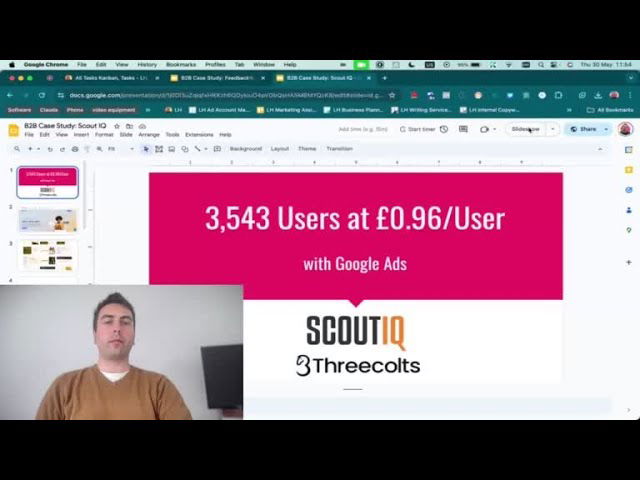
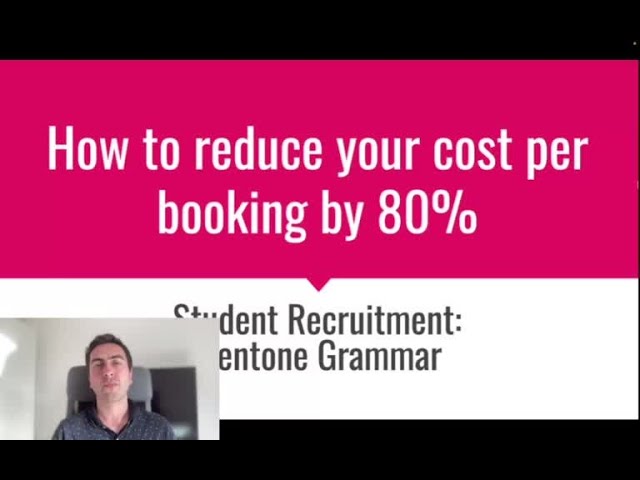
For example, when we worked with a medical job matching SaaS, their initial customer acquisition cost was sitting at an unsustainable £100 per user acquisition because their paid traffic was landing on a generic signup page. By restructuring their ad targeting to intent-driven queries, reworking the copy to address immediate practitioner pain points, and smoothing out the onboarding flow, we reduced their CPA from £100 down to £7 per user acquisition. The traffic wasn't the primary problem; the disconnect between ad expectation and landing page delivery was ruining their unit economics.
If you are struggling with poor performance on Google Search specifically, it often comes down to bidding on broad, informational keywords instead of high-intent commercial terms. You can read more about aligning intent and search structures in our guide on mastering Google Performance Max for B2B lead generation to fix leaking search budgets.
How do I calculate what I can actually afford to spend on a lead or trial?
Most marketers ask the wrong question. They constantly ask, "How can I get my cost per lead lower?" when they should be asking, "How high a cost per lead can I afford to pay to acquire a high-value customer?" If your competitors are paying £50 per lead and scaling aggressively while you are struggling to get £15 leads to convert, it usually means their Customer Lifetime Value (LTV) allows them to outbid you for high-intent buyers.
To establish your true allowable Customer Acquisition Cost (CAC), you must look at your unit economics with cold objectivity. The math is straightforward, yet surprisingly few businesses actually track it properly:
1. Average Revenue Per Account (ARPA): What is the average net revenue a customer pays you per month or per year?
2. Gross Margin Percentage: What is your margin after accounting for direct delivery costs, hosting, support, and fulfillment?
3. Monthly Churn Rate: What percentage of your active customer base cancels or drops off each month?
Using these metrics, your total gross margin LTV is derived as:
LTV = (ARPA × Gross Margin %) / Monthly Churn Rate
Let's run a real scenario: Suppose your B2B SaaS platform charges an average of £400 per month with an 85% gross margin. Your monthly customer churn rate is 5%. Your LTV calculation looks like this:
LTV = (£400 × 0.85) / 0.05 = £340 / 0.05 = £6,800
In a healthy business model, targeting a conservative 3:1 LTV-to-CAC ratio means you can comfortably afford to spend up to £2,266 to acquire a single paying customer. If your internal sales team closes 1 out of every 8 qualified leads coming through the website, you can afford to pay up to £283 per qualified lead without breaking your unit economics. Suddenly, paying £80 or £120 for a pre-qualified decision-maker on LinkedIn or Google Ads is no longer expensive—it is a incredibly profitable trade.
SaaS & B2B Allowable CPL Calculator
Adjust your account metrics below to calculate your maximum allowable Cost Per Lead based on a target 3:1 LTV:CAC ratio.
What ad account structure actually scales without crashing our ROAS?
Over-segmentation is one of the quickest ways to ruin an ad account. I frequently audit accounts containing 40 different active campaigns, each spending £10 a day across dozens of hyper-narrow ad sets. When you split small budgets across too many campaigns, you prevent the machine learning models from gathering enough conversion signals to complete the learning phase. The ad network gets stuck in perpetual learning mode, costs spike, and performance decays erraticly.
To build a structure capable of scaling efficiently, you want to consolidate your budget into clean, simplified campaign structures mapped directly to buyer readiness stages. We group these into Top of Funnel (ToFu), Middle of Funnel (MoFu), and Bottom of Funnel (BoFu).
This is how a clean Meta or Google structure looks in practice:
- Top of Funnel (ToFu - Prospecting): 70% to 80% of your total spend goes here. This campaign targets net-new audiences who have never interacted with your brand. On Meta, you test distinct detailed interest themes or broad targeting paired with highly specific creative messaging. On Google Search, this is focused exclusively on high-intent commercial keywords.
- Middle of Funnel (MoFu - Engagement & Consideration): 10% to 15% of spend. Targets users who viewed 50%+ of your videos, engaged with your social pages, or landed on primary website pages without viewing pricing or signing up. Here, you deliver proof-heavy content like case studies, product teardowns, or feature demonstrations.
- Bottom of Funnel (BoFu - Conversion & Retargeting): 10% to 15% of spend. Targets high-intent warm audiences: users who visited the pricing page, added products to cart, initiated checkout, or opened a trial registration form without completing it. Your copy here should directly adress objections, risk removal (e.g. money-back guarantee, no credit card required), and direct FAQs.
Importantly, every upper stage must explicitly exclude the lower stages. Your ToFu campaign must exclude all past 180-day website visitors and social engagers. If you forget to add exclusions, Meta will take the easy route out: it will quietly spend your broad acquisition budget showing ads to people who already know your brand, giving you false metrics while net-new pipeline growth grinds to a halt. If you are operating specifically in competitive UK markets, review our guide on fixing failing London PPC ROI to see how localized audience exclusions prevent budget waste.
Which paid ad channels should I pick for B2B lead gen vs consumer growth?
Picking the wrong ad network for your offer is like opening an ice cream shop in the Arctic—it doesn't matter how good your product is; the environment is working against you. The decision hinges entirely on whether your target market is actively searching for a solution or whether you need to interrupt their attention while they browse.
Cost Per Acquisition Benchmark across Vertical Channels
Real-world cost-per-result performance benchmarks pulled directly from our active client campaign datasets across B2B SaaS, mobile apps, and local services.
Data source: Internal client performance metrics recorded across verified campaigns.
If you are selling high-ticket B2B software or professional services where buyers only convert when an immediate corporate pain point strikes (e.g. accounting software, emergency IT support, compliance tools), Google Search is your foundation. Search intent captures people at the exact moment they are looking for help. Keywords like "enterprise inventory management software" or "emergency HVAC contractor near me" carry high buyer intent. You will pay higher cost per click (CPC), but conversion rates are substantially higher.
Conversely, if your audience isn't actively searching for your solution or doesn't know a product like yours exists, social networks are the play. On LinkedIn Ads, you get unrivalled firmographic targeting precision: you can layer company size, job title, seniority, and industry to hit exact decision-makers. In one of our software campaigns, targeting verified decision-makers on LinkedIn yielded a steady $22 Cost Per Lead (CPL). You pay a premium CPM, but you avoid showing ads to entry-level staff who lack purchasing authority.
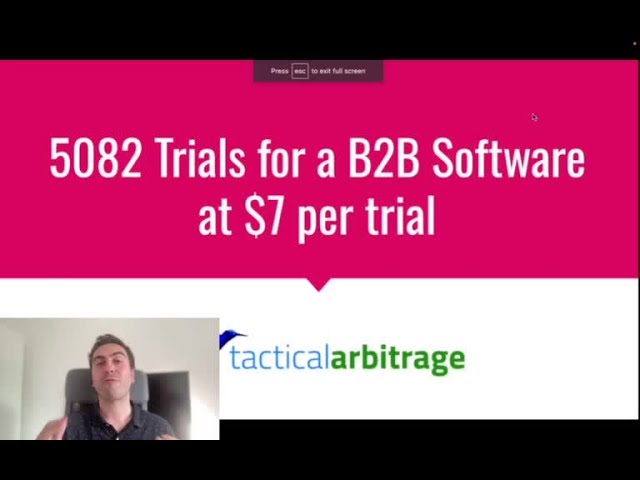
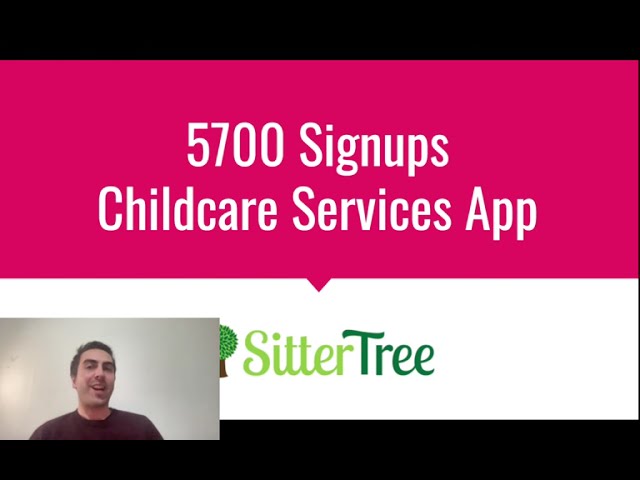
For consumer products, mobile apps, low-friction SaaS offers, or broad SME targeting (like small business owners), Meta (Facebook & Instagram) and TikTok are hard to beat on efficiency. On Meta Ads, we scaled a B2B software campaign to 4,622 registrations at a cost of just $2.38 per registration, and another software account generated 5,082 trial signups at $7 per trial. Meta’s algorithm excels at pattern matching once you feed it sufficient conversion volume, provided your ad creative pre-qualifies traffic before they click.
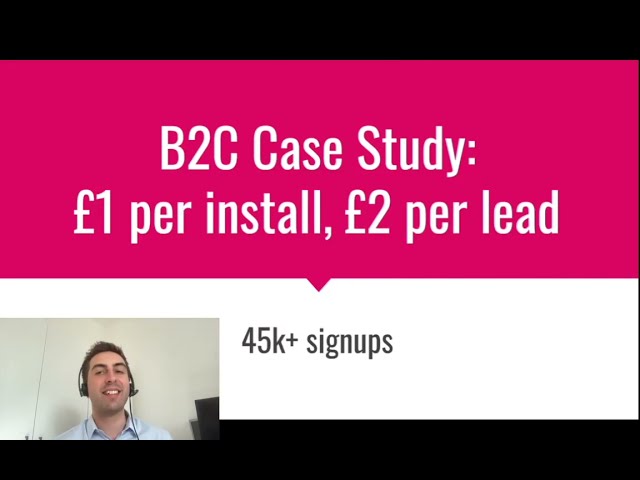
For mobile apps, direct app store acquisition via Apple Search Ads and Google App campaigns consistently delivers high retention. In a consumer launch strategy, we engineered a multi-channel growth system across Meta, TikTok, Google, and Apple Search Ads that delivered over 45,000 app signups at under £2 cost per signup. If you are struggling with inflated Meta impression costs while testing paid channels, read our teardown on fixing expensive Facebook ad impressions.
How do I build ad creatives and copy that pre-qualify buyers before they click?
Most advertisers design ad copy to appeal to as many people as possible. They write broad, flashy hooks designed to maximize click-through rates (CTR). Tbh, this is counterproductive. If you run paid advertising, you pay for every click. Getting thousands of unqualified clicks from people who cannot afford your service will drain your ad spend rapidly.
The goal of direct-response ad creative is twofold: attract your exact buyer persona and repel everyone else. You achieve this by introducing strategic friction into the copy and creative hooks.
LinkedIn & Meta Audience Layering Logic
Layer 1: Firmographic Boundary (Mandatory Criteria)
Target Company Headcount (e.g., 51–200, 201–500 employees) AND Target Vertical (e.g., Financial Services, Logistics, B2B SaaS). Excludes micro-businesses and consumer domains.
Layer 2: Buyer Authority (Seniority & Job Function)
Job Function (e.g., Operations, Finance, IT Infrastructure) AND Seniority Level (Director, VP, Head of, C-Suite). Excludes entry-level, interns, and individual contributors.
Layer 3: Creative Pre-Qualification Hook
Ad Creative directly explicitly names the exact operational problem (e.g., "For Engineering Heads Managing AWS Spend Over £10k/mo"). Repels unqualified tire-kickers upfront.
When structuring high-converting copy, we rely on two core frameworks:
1. Problem-Agitate-Solve (PAS) Framework (Ideal for Services & Complex SaaS):
Do not sell generic benefits like "faster workflows." Speak directly to the operational headache keeping your buyer awake at night.
Example PAS Copy:
[Problem] Are your monthly AWS bills climbing by 30% without your engineering team knowing why?
[Agitate] Another unpredictable invoice arrives, forcing you to pull developers off core product sprints to hunt down unattached storage volumes and orphaned instances while your board questions your margins.
[Solve] Our automated cloud optimization engine continuously detects idle infrastructure and eliminates wasted spend in real-time. Start a 14-day automated scan today—no credit card required—and identify your first £1,000 in instant savings within 15 minutes.
2. Before-After-Bridge (BAB) Framework (Ideal for Productized Offers & Apps):
Contrast the current painful state directly against the desired future outcome, positioning your offer as the bridge.
Example BAB Copy:
[Before] Managing field service technicians using spreadsheets, WhatsApp groups, and lost paper invoices?
[After] Imagine opening a single clean dashboard every morning where job scheduling, vehicle tracking, and automated client invoicing happen seamlessly.
[Bridge] Our field management app connects your office staff to your engineers on site in real time. Click below to try the sandbox demo free for 30 days.
If you sell high-ticket products or services, explicitly call out the minimum target audience in the headline or image visual (e.g., "Built exclusively for commercial electrical contractors with 10+ vehicles"). Anyone outside that definition will scroll past, saving your ad budget for genuine prospects.
Why is my landing page leaking money and how do I fix the conversion rate?
You can engineer the most refined ad campaign in Ads Manager, but if your landing page fails to convert visitors into leads or customers, the campaign will fail. Landing page bounce rates spike when there is visual disconnect, slow load times, confusing navigation, or an aggressive Call to Action (CTA) that presumes too much intent too early.
The single biggest mistake in B2B landing page design is relying on the standard "Request a Demo" button. A "Request a Demo" CTA is low-value and high-friction. It signals to a busy executive that they will be locked into a 45-minute pushy sales presentation with a junior sales rep before seeing the software. It presumes they have time to waste.
Replace high-friction entry points with low-friction, high-value offers:
- For B2B SaaS: Offer a friction-free 14-day trial (no credit card required) or an instant interactive product sandbox. Let prospects experience an "aha!" product moment within 60 seconds of clicking your ad. Removing credit card friction untill after the value is proven routinely skyrockets conversion rates.
- For Professional Services & Agencies: Offer a specific automated audit, diagnostic report, or mini-strategy review. For example, rather than "Book a Consultation," offer a "20-Minute Free Paid Search Account Audit." (If you run an agency looking to scale service delivery, read our guide on proven CRO agency growth strategies).
- For eCommerce & Consumer Brands: Ensure product pages feature high-resolution imagery, video demos showing real people using the item, transparent shipping policies, clear customer reviews, and clear return policies directly above the buy button.
Conversion Funnel Leakage Architecture
Every additional field you ask for on a landing page form reduces conversion rates. If you only need an email address to grant trial access, do not demand phone numbers, physical company adresses, or job titles upfront. You can collect qualifying data later during product onboarding or via automated email nurture flows.
How should I structure custom audiences and retargeting logic across Meta and Google?
When custom audiences are set up incorrectly, ad accounts spend money targeting people who already bought or serve identical ads to users regardless of where they are in the buying process. You must build custom audiences around specific conversion milestone actions, prioritizing them based on buyer proximity.
I prioritize custom audiences for retargeting and lookalike creation using this strict hierarchy:
- High-Value Previous Customers: Top 20% LTV buyers, repeat purchasers, or long-term plan subscribers. (Used to build 1% Lookalike Audiences for prospecting).
- Recent Purchases / Conversions (0-30 days): Excluded from acquisition campaigns to avoid wasting ad budget showing buy ads to existing buyers.
- High-Intent Abandoners (BoFu): Initiated checkout, added payment method, viewed pricing page, or started trial signup form within 1-14 days.
- Mid-Intent Engagers (MoFu): Visited primary product landing pages, viewed 50%+ of campaign videos, or engaged with social profiles within 1-30 days.
- Broad Website Visitors: All site visits within 1-60 days (excluding converted users).
When running retargeting campaigns on Meta or Google Display, avoid showing the exact same ad user saw in prospecting. If an ad failed to convert them the first time, seeing it 15 more times won't magically change their mind. Instead, shift the narrative: show video testimonials, walk through detailed case studies, or address specific security, setup, or pricing concerns.
When should I scale budgets and how do I manage performance decay?
Scaling an ad account is not as simple as taking a winning £50/day campaign and bumping the daily spend to £500. When you increase budgets aggressively, ad platform algorithms expand your reach to lower-intent tiers within your target audience. Your Click-Through Rate (CTR) typically drops, Cost Per Click (CPC) rises, and ROAS decays.
To scale budgets without crashing your return on ad spend, follow these three practical rules:
1. The 20% Incremental Scaling Rule: Increase budgets by a maximum of 15% to 20% every 48 to 72 hours on winning campaigns. This gives the algorithm time to re-optimize bidding auctions without throwing the ad set back into volatile learning phases.
2. Horizontal Scaling via Audiences and Creative Angles: Rather than just pumping more money into one campaign, scale horizontally. Test alternative audience themes, build lookalikes off higher-funnel actions (like past 180-day purchasers), or launch distinct creative angles (e.g., switching from static image ads to founder story videos or direct product demos).
3. Maintain a Continuous Creative Testing Sandbox: Ad fatigue is real. A winning ad creative rarely stays profitable forever. Set aside 15% to 20% of your total ad budget inside a dedicated Testing Campaign to test new hooks, visual styles, and copy angles weekly. Once a clear creative winner emerges in testing, graduate it to your main scaling campaign.
Treat ad spending like financial portfolio allocation. If Meta is delivering an steady 4x return while Google Ads is floundering at 0.8x, shift your growth capital toward Meta untill performance stabilizes. Continually reallocate budget to maximize your overall portfolio yield across all channels.
What is the step-by-step roadmap to audit and rebuild a failing ad campaign?
I've detailed my main recommendations for you below:
| Audit Stage | Primary Failure Point | Diagnostic Action Item | Expected System Impact |
|---|---|---|---|
| 1. Tracking & Attribution | Optimising for traffic or broken pixel events | Re-configure Conversions API & set campaign objective strictly to Leads, Sales, or Registrations. | Forces algorithm to target high-intent buyers rather than cheap clicks. |
| 2. Unit Economics | Unrealistic CPA expectations; untracked LTV | Calculate Gross Margin LTV and establish true allowable CAC targets based on a 3:1 ratio. | Allows aggressive, profitable bidding above low-budget competitors. |
| 3. Creative & Messaging | Generic copy attract cheap, low-intent clicks | Deploy PAS/BAB copy frameworks; add explicit audience call-outs in hooks. | Pre-qualifies traffic, eliminating wasted spend on unqualified clicks. |
| 4. Funnel & Landing Page | High friction CTAs ("Request Demo") & slow pages | Swap to frictionless trial/sandbox offers; remove excess form fields; speed up page load. | Skyrockets conversion rates, lowering effective CPL across all campaigns. |
| 5. Account Structure | Over-fragmentation & missing audience exclusions | Consolidate into ToFu/MoFu/BoFu campaigns; enforce 180-day buyer/visitor exclusions. | Stabilizes platform learning and prevents retargeting leakage inside prospecting spend. |
Fixing paid acquisition performance is never about looking for a single magic setting inside Ads Manager. It requires systematically engineering your entire acquisition funnel: aligning platform targeting, defining precise unit economics, crafting pre-qualifying creative copy, and delivering a frictionless landing page experience designed to convert.
When you align your offer with clear buyer demand and remove funnel friction, paid ads transform from an unpredictable expense into a reliable growth engine. If your current ad campaigns are failing to generate expected ROI, your landing page isn't converting, or you need expert guidance to scale your paid media spend profitably, consider booking a free initial consultation with our growth team today. We will audit your ad accounts, review your funnel architecture, and provide a clear, data-driven strategy to turn your ad spend into predictable revenue.

Lukas Holschuh
Founder, Growth & Advertising Consultant
Great campaigns fail without expertise. Lukas and his team provide the missing strategy, optimizing your entire advertising funnel—from ad creatives and copy to landing page design.
Backed by a proven track record across SaaS, eLearning, and eCommerce, they don't just run ads; they engineer systems that convert. A data-driven partnership focused on tangible revenue growth.