TLDR;
- Stop looking for an agency that just "runs ads." Great campaigns fail all the time. You need a partner who optimises the entire funnel, from the ad click to the landing page and the offer itself. Most agencies are just media buyers; this is where your money gets wasted.
- Case studies are your first filter, but you need to know how to read them. Bin any that only talk about vanity metrics like "reach" or "clicks." Look for hard numbers: revenue, Return on Ad Spend (ROAS), and Cost Per Acquisition (CPA) for a business like yours.
- The single most important conversation to have is about your numbers (Unit Economics). If an agency doesn't ask about your Customer Lifetime Value (LTV) and profit margins in the first call, they're not strategists, they're just taking your money to press buttons.
- The "free consultation" is where you separate the pros from the pretenders. Don't listen for promises. Listen for sharp, difficult questions about your business. A good partner diagnoses before they prescribe.
- This letter includes a framework for evaluating agency expertise and a detailed breakdown of the unit economics calculation you must understand before you spend a single penny on ads.
Hi there,
Thanks for reaching out. It's a question I hear a lot, and fair play for asking it. Choosing an agency is a tricky process, and picking the wrong one is a fast way to burn through a lot of cash with nothing to show for it.
I'm happy to give you some initial thoughts and guidance based on what I've seen work, and what I've seen go badly wrong for businesses that come to us after being burned elsewhere. The truth is, most people look for the wrong things. They get swayed by slick sales pitches and big promises, but that's not what drives results. It's about finding real expertise, and that's often quieter and asks more difficult questions.
We'll need to look at expertise, not just polished case studies...
Right, first thing everyone tells you is to "look at their case studies." It's not bad advice, but it's incomplete. It's like telling someone to buy a car because it's shiny. You need to look under the bonnet. Most case studies are marketing fluff, designed to hide the fact that the agency doesn't actually understand how to make a business money.
When you're looking at a case study, you need to filter out the nonsense. I'm talking about vanity metrics. If you see an agency bragging about "10 Million Views" or a massive "increase in reach," your alarm bells should be ringing. Who cares? Reach doesn't pay the bills. Clicks don't pay the bills. Revenue does. A good case study talks about business results. For one of our luxury brand clients, we did get them 10 million views, but that was a specific launch objective tied to creating massive initial brand awareness in a new market segment. For most businesses, especially smaller ones, it's a completely useless metric.
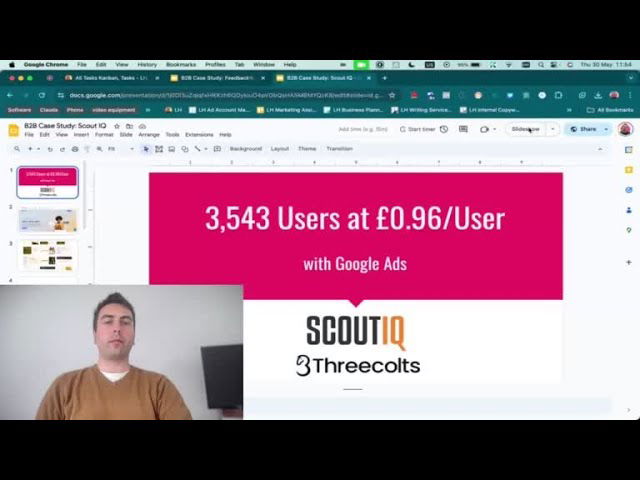
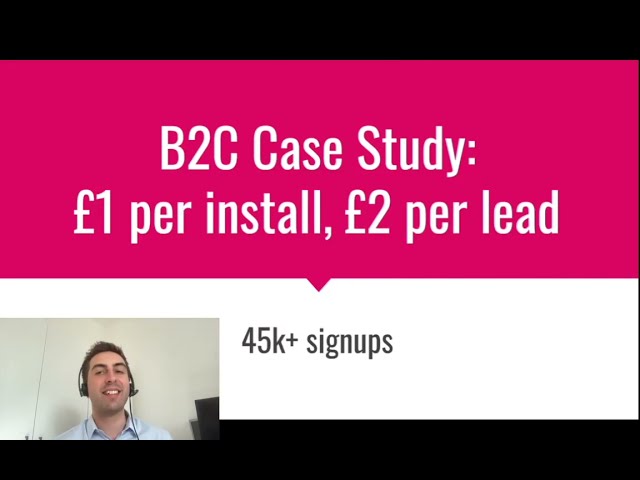
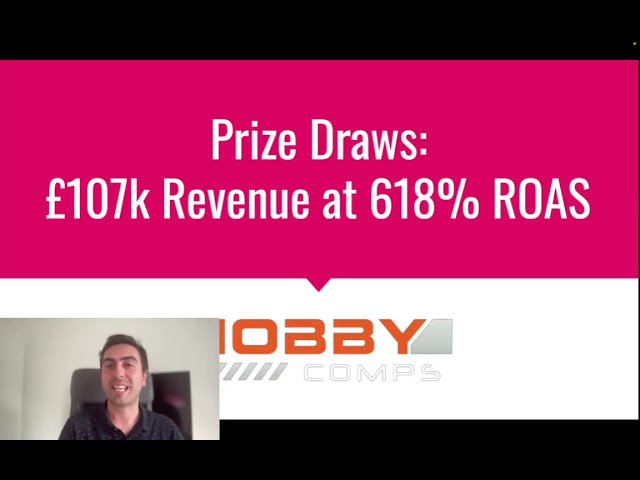
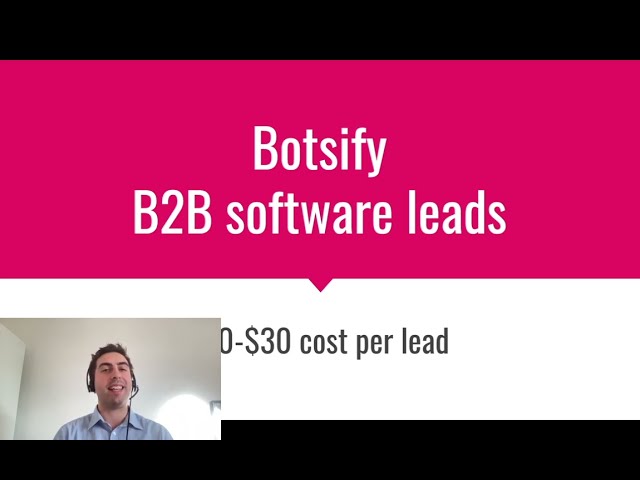
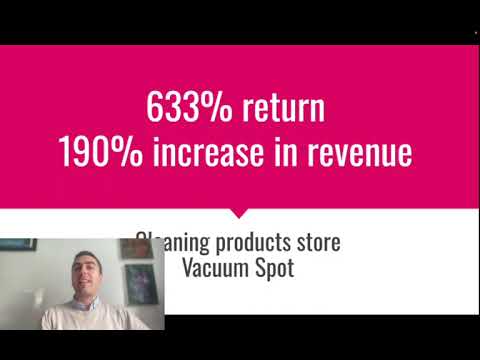
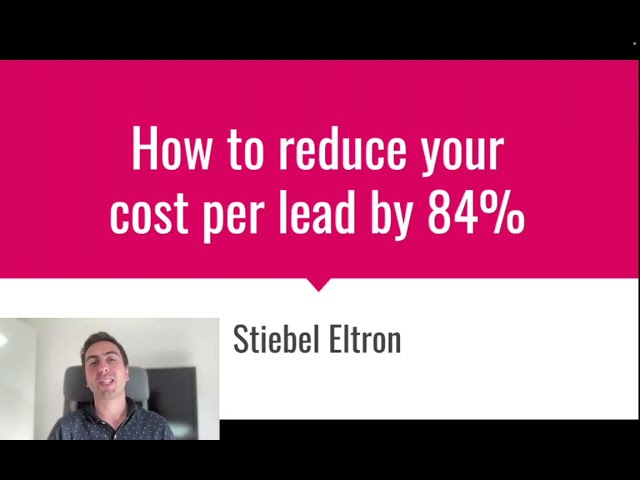
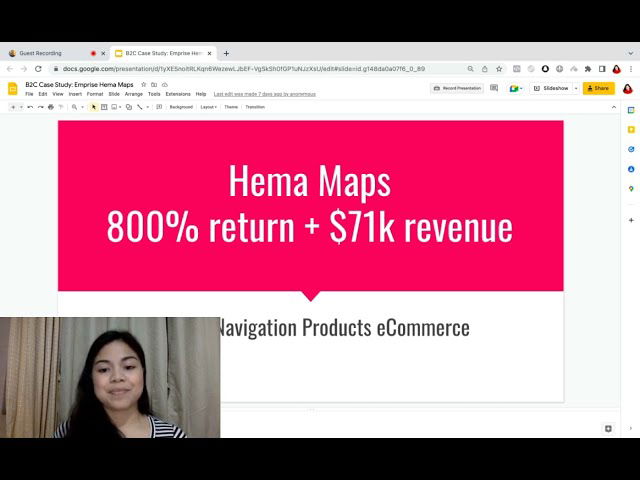
Instead, look for the hard numbers. Did they generate £107k in revenue for a client? Did they hit a 618% Return on Ad Spend (ROAS)? Did they take a B2B software company's Cost Per Lead (CPL) from something outrageous down to $22? These are the numbers that matter. For one medical SaaS client, we took their Cost Per User Acquisition from a staggering £100 down to just £7. That's a business-changing result, not just a nice-looking number on a report.
The other part of this is niche experience. If you're a B2B SaaS company, do they have case studies from other B2B SaaS companies? If you're in eCommerce, have they actually scaled an eCommerce store before? The strategies for selling a £5,000/year software subscription are worlds apart from selling a £50 subscription box. An agency that claims to be an expert in everything is an expert in nothing.
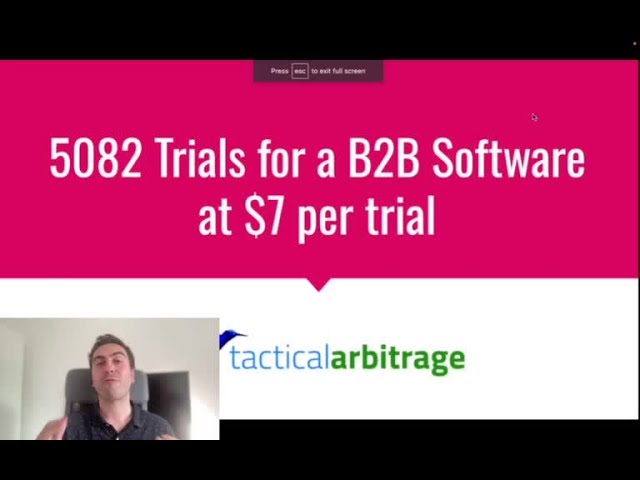
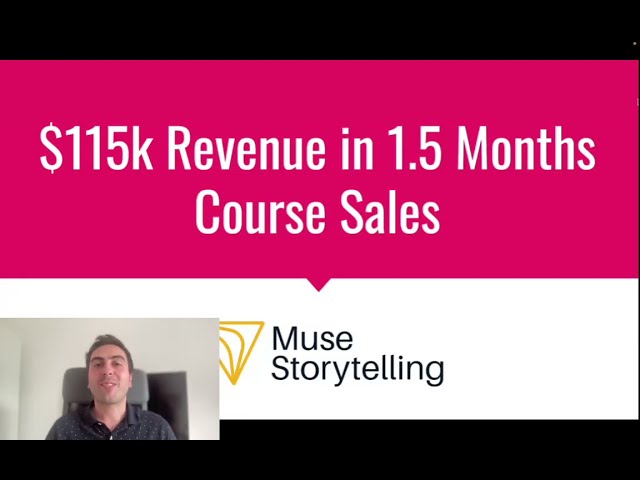
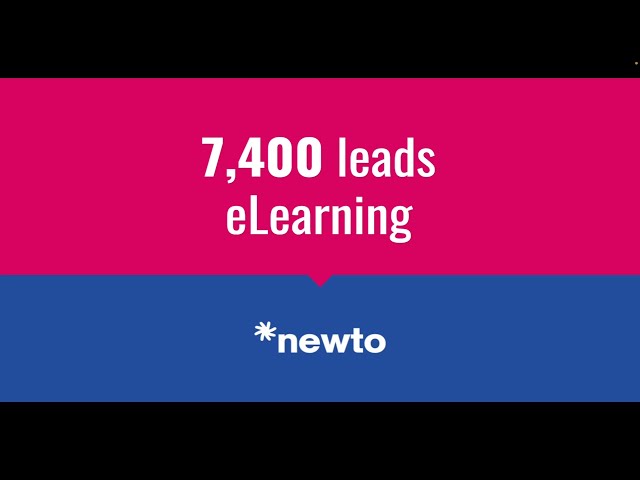
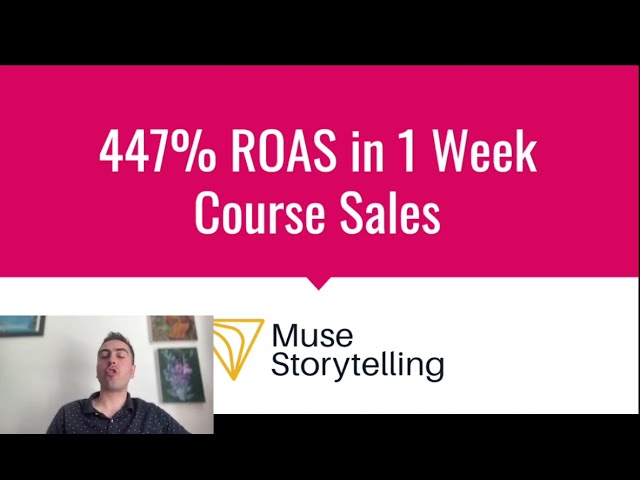
We've worked on campaigns for everything from eLearning courses, where we generated $115k in revenue in under two months, to complex B2B software, getting 4,622 registrations at just $2.38 each. The playbooks were completely different. For the course, it was about high-tempo creative testing and emotional, direct-response copy on Meta. For the B2B software, it was about methodical, pain-point-driven messaging and tight targeting on LinkedIn and Meta to find the right decision-makers. If an agency can't articulate that difference and show you they've done it before, they're just going to be experimenting with your money.
Framework for Vetting Agency Expertise
Layer 1: Hard Business Results (The Non-Negotiable)
Does their work show tangible revenue, profitable ROAS, and a clear impact on Cost Per Acquisition (CPA)? Bin any agency that leads with vanity metrics like impressions, clicks, or follower growth.
Layer 2: Strategic Depth (Beyond The Ads Manager)
Is there evidence they work on the whole funnel? Look for mentions of landing page optimisation (CRO), offer creation, and copywriting. An agency that only talks about audiences and bidding is a media buyer, not a growth partner.
Layer 3: Partnership Fit (The Primary Differentiator)
Do they talk about your business numbers? LTV, margins, allowable CAC? A true partner starts with your unit economics to define what success even looks like. They should act like an investor in your growth, not a supplier.
I'd say you need to test them on the consultation call...
Once you've filtered a few agencies based on their results, you need to get them on a call. This is where you really find out if they know what they're talking about. Most businesses go into these calls and let the agency do all the talking. Big mistake.
You need to go in with a plan to interview them. A good agency will be trying to do the same to you. When we do a free consultation, I spend most of the time asking the potential client questions. I want to understand their sales process, their customers, their margins, what they've tried before, what failed. If an agency just jumps straight into "We'll run Facebook ads and get you loads of leads," they haven't done their homework. They're just selling you a pre-packaged service without any thought for your actual business.
The biggest red flag of all is a promise or a guarantee. If anyone tells you they can "guarantee" a certain ROAS or number of leads, end the call. It's impossible. No one can predict exactly how a campaign will perform. There are too many variables. A real expert will talk in terms of a data-driven process. They'll say, "Based on our experience with similar clients like X, we'd start by testing A and B. We'll measure the initial CPL and ROAS, and if the numbers are within a profitable range for your business, we'll look to scale. If not, we'll pivot to C." That's the language of a practitioner, not a salesman.
You should also be wary of anyone who immediately blames the ad platforms. You'll hear things like "Oh, Facebook is just expensive now" or "Google's algorithm is tricky." Rubbish. These are the tools of the trade. An expert knows how to work with them. Sure, costs fluctuate, but a strategist has a plan to mitigate that by improving other parts of the system.
Honestly, the whole trust thing is a two-way street. We have detailed case studies, client reviews, and we do a free, in-depth strategy review where we literally map out a plan for the prospect. If after all that, someone asks for a phone number to call one of my existing clients, it tells me there's a fundamental lack of trust. And a partnership can't be built on that. It signals they're looking for a guarantee, which doesn't exist. You're looking for a partner with a proven process and the expertise to execute it, not a magic bullet.
You probably should focus on the whole funnel, not just the ads...
This is probably the most important point, and it's where 90% of advertising spend is wasted. Most agencies are just media buyers. They're experts in using the Ads Manager. They know how to set up campaigns, choose targeting, and adjust bids. And they'll do a perfectly adequate job of sending traffic to your website.
And then nothing will happen.
Early in my career, I'd run these technically perfect campaigns. The Click-Through Rates (CTRs) were great, the Cost Per Click (CPC) was low. I was doing my job. But the client wasn't making any money. Why? Because the traffic was landing on a slow, confusing website with a weak offer and a "Request a Demo" button that nobody wanted to click. The campaign didn't fail in the Ads Manager; it failed on the landing page.
I realised that I could be the best media buyer in the world, but if the rest of the funnel was broken, the client would fail, and I'd get fired. That's when I shifted my entire approach. We don't just run ads; we engineer systems that convert. We take ownership of the whole process—the ad creative and copy, the landing page design, the offer itself, even the email follow-ups.
Think about the maths of it. Let's say you spend £5,000 a month on ads, getting clicks at £2.50 a pop. That's 2,000 visitors to your website. A typical, unoptimised B2B landing page might convert at 5%. That gets you 100 leads at a cost of £50 each. Not terrible, but not great.
An agency that only runs ads will tell you the solution is to spend more money or to try and get the CPC down a bit. A true growth partner will look at the landing page. They'll see the friction. They'll see the weak headline. They'll see the high-commitment "Request a Demo" offer that's killing conversions.
So they get to work. They bring in a copywriter to rewrite the page. They A/B test headlines. And more importantly, they change the offer. Instead of a boring demo, they build a simple, high-value "sandbox" tool, like a free audit or an interactive calculator. Something that solves a small, immediate problem for the visitor. Now, the landing page is converting at 20%.
Your £5,000 in ad spend still gets you 2,000 visitors. But now, you're getting 400 leads. Your Cost Per Lead just dropped from £50 to £12.50. You've more than tripled your lead flow without spending a single extra penny on advertising.
The Maths of Full-Funnel Optimisation
Assuming a monthly paid ad budget of £5,000 at an average Cost Per Click (CPC) of £2.50 (2,000 clicks/month):
A media buyer might lower your CPL from £50 to £40 by optimising ads. A full-funnel partner lowers it to £12.50 by fixing the broken landing page and offer. This is where real growth comes from.
This is the difference between a media buyer and a growth partner. A media buyer rents you traffic. A growth partner builds you a customer acquisition machine. When you're talking to agencies, you must ask them: "What do you do when the ads are working, but the leads aren't converting?" If they don't have a confident, detailed answer that involves landing pages, copy, and offer strategy, they are not the right partner to grow your business.
You'll need to understand your own numbers first...
This brings me to the final, and probably most overlooked, part of choosing an agency. You can't hire the right partner if you don't understand your own business's numbers. The conversation can't just be about marketing metrics; it has to be about your unit economics.
A good agency, in the very first call, will ask you about two things: your Customer Lifetime Value (LTV) and your Gross Margin. If they don't, it's a massive red flag. Why? Because without those numbers, it's impossible to know how much you can afford to spend to acquire a customer (your Customer Acquisition Cost, or CAC).
The real question isn't "How cheap can I get leads?" it's "How much can I profitably invest to acquire a high-value customer?" This single shift in mindset changes the entire game. It frees you from the tyranny of chasing cheap, low-quality leads and allows you to focus on acquiring the right customers, even if they cost more upfront.
Let's do the maths. It's not complicated.
First, what's the average amount a customer pays you per month? Let's call it Average Revenue Per Account (ARPA). Let's say it's £500.
Second, what's your Gross Margin on that? After you pay for the cost of delivering your service or product, what percentage is left? Let's say it's 80%.
Third, what's your monthly Churn Rate? What percentage of your customers cancel each month? Let's say it's 4%.
Now, you can calculate your LTV:
LTV = (ARPA * Gross Margin %) / Monthly Churn Rate
LTV = (£500 * 0.80) / 0.04
LTV = £400 / 0.04 = £10,000
So, every new customer you acquire is worth £10,000 in gross margin to your business over their lifetime. This is your core metric.
A healthy business model for a SaaS or service business usually aims for an LTV to CAC ratio of at least 3:1. This means you can afford to spend up to a third of your LTV to acquire that customer. In this case, your maximum allowable CAC is £10,000 / 3 = ~£3,333.
Now you have a budget. You can afford to spend over three grand to land one customer. If your sales team closes 1 in 10 qualified leads they talk to, you can afford to pay up to £333 per qualified lead. Suddenly that £250 CPL from a highly-targeted LinkedIn campaign doesn't look so expensive anymore, does it? It looks like an absolute bargain.
This is the conversation you need to have. Any agency worth their salt will help you work through these numbers. They'll anchor their entire strategy around your allowable CAC. Their goal won't be to get you the cheapest CPL, but to get you the highest volume of leads within your allowable CPL, so you can scale profitably. If an agency isn't talking this language, they're not a strategic partner. They're just a vendor who will spend your money until it runs out.
I've detailed my main recommendations for you below in a table to give you a clear action plan.
Agency Vetting & Action Blueprint
A prioritised checklist for moving from a wide search to selecting a genuine growth partner.
| Vetting Stage | Common Failure Point | Your Action Item | Expected Outcome |
|---|---|---|---|
| 1. Scrutinise Case Studies | Being impressed by vanity metrics (clicks, views, reach). | Filter for agencies showing hard business metrics: Revenue, ROAS, CPA, LTV within your niche. | A shortlist of 2-3 agencies with proven commercial results. |
| 2. Interrogate on the Call | Letting the agency pitch; listening for promises and guarantees. | Ask tough questions about their process for diagnosis and what they do when campaigns don't work. Listen for questions about your business. | Identify true strategists who diagnose before they prescribe. |
| 3. Audit their Funnel Approach | Hiring a "media buyer" who only works in the Ads Manager. | Explicitly ask how they handle landing page conversion, copywriting, and offer optimisation. | Find a partner who understands that ads are only one part of the system. |
| 4. Anchor in Unit Economics | Focusing on cheap leads (CPL) instead of profitable growth. | Calculate your LTV and allowable CAC before the call. See if the agency brings this up and bases their strategy on it. | Align with a partner on a shared definition of success based on your actual business profitability. |
Ultimately, this all comes down to a shift in mindset. You're not just hiring someone to "do the ads." You're looking for a partner who can build and manage a customer acquisition system for you. That requires a much broader skillset than just being good with Facebook's interface. It requires strategic thinking, commercial awareness, and a relentless focus on the entire customer journey.
Doing this properly is a full-time job. It requires constant testing, data analysis, and optimisation across multiple disciplines—from media buying and copywriting to web design and analytics. Most business owners are far too busy running their actual business to do this effectively, which is why they look for help. But if you choose a partner who only does one piece of the puzzle, you're setting yourself up for failure.
I hope this gives you a clearer picture of what to look for. It's not about finding the cheapest agency or the one with the flashiest website. It's about finding a team with a proven, data-driven process for engineering growth from the top of the funnel all the way to the bottom line.
If you'd like to see how this process works in practice for your business, we offer a free initial consultation. We'd review your current strategy and funnel together and give you some actionable advice you can use right away. It's a good way to get a taste of the expertise you should be looking for.
Regards,
Team @ Lukas Holschuh
Cite this Q&A Guide
If referencing this research, data, or strategy in your publication, please use the attribution below.

Lukas Holschuh
Founder, Growth & Advertising Consultant
Great campaigns fail without expertise. Lukas and his team provide the missing strategy, optimizing your entire advertising funnel—from ad creatives and copy to landing page design.
Backed by a proven track record across SaaS, eLearning, and eCommerce, they don't just run ads; they engineer systems that convert. A data-driven partnership focused on tangible revenue growth.