TLDR;
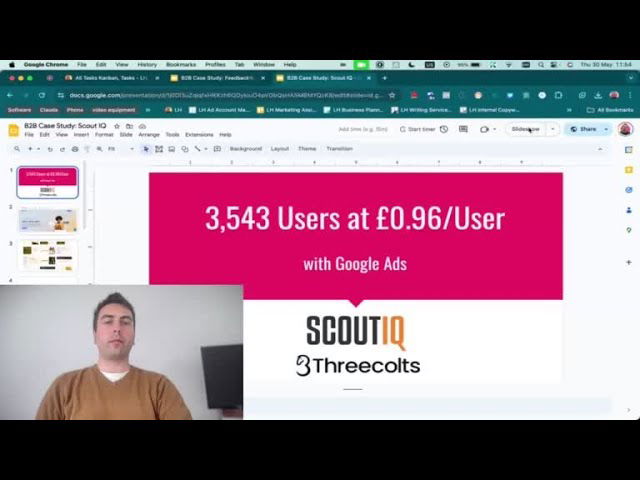
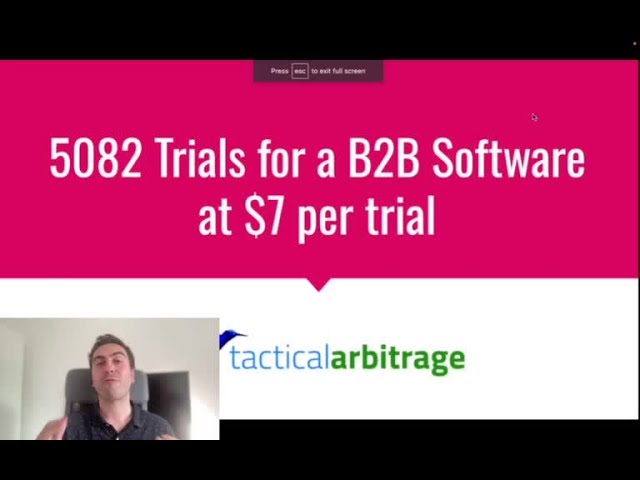
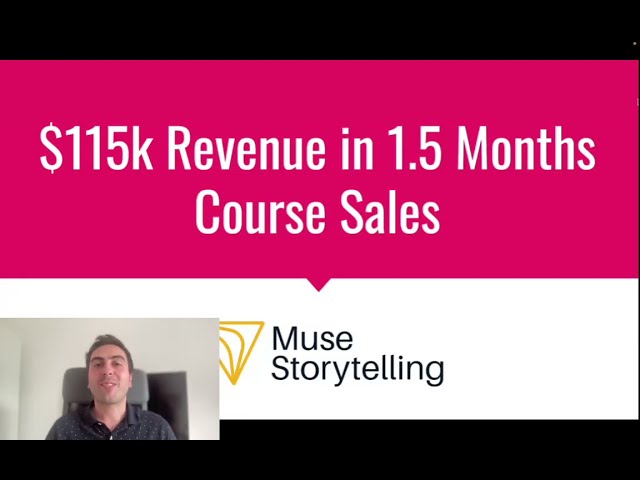
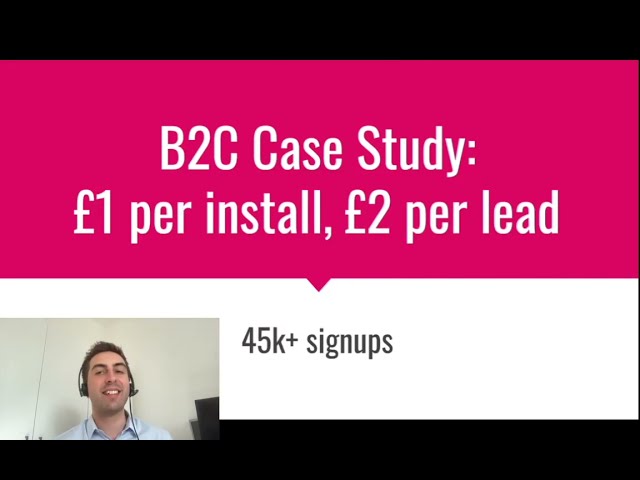
- Looking for a consultant with case studies is the right first step, but the headline numbers (like ROAS) are often misleading. You need to find someone who can explain how they achieved the results and can deconstruct their entire funnel, not just their ad setup.
- The main reason ad campaigns fail isn't the ad creative or the targeting; it's a weak or high-friction offer. "Request a Demo" is a campaign killer. Your first job is to build a low-friction, high-value offer that solves a real problem for free to earn the right to sell the full solution.
- Stop obsessing over a low Cost Per Lead (CPL) and start understanding your unit economics. Once you calculate your Customer Lifetime Value (LTV), you'll know exactly how much you can afford to spend to acquire a customer, which unlocks aggressive, intelligent scaling. I've included an interactive LTV calculator in this letter to help you with this.
- Effective targeting isn't about broad demographics. It's about identifying your ideal customer's specific, urgent, and expensive nightmare and then finding them where they already are online—the niche podcasts, newsletters, and communities they trust.
- True growth doesn't come from just running ads. It comes from engineering a complete system that converts—from the ad copy and creative to the landing page and the offer itself. This requires a growth partner, not just a media buyer.
Hi there,
Thanks for reaching out!
Finding the right growth consultant is tough. It's a space filled with people who promise the world, flash some impressive-looking but ultimately hollow numbers, and then struggle to deliver when it actually comes to a business like yours. You're right to be looking for case studies; it's the only way to cut through the noise. But even that can be a bit tricky to navigate.
I'm happy to give you some of my thoughts on how to properly evaluate a consultant or agency. I'll walk you through the exact framework I use, because frankly, great campaigns fail without real expertise. It's not just about being good inside an ads manager platform; it's about optimising the entire system. I'll use some of our own client work as examples, not to show off, but to give you a transparent look under the bonnet at how these things actually work.
We'll need to look at the whole system, not just the ads...
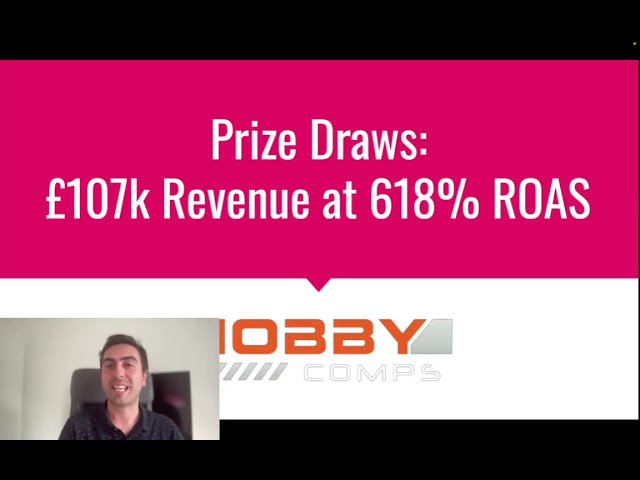
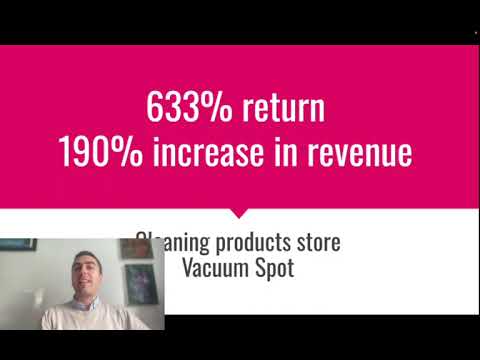
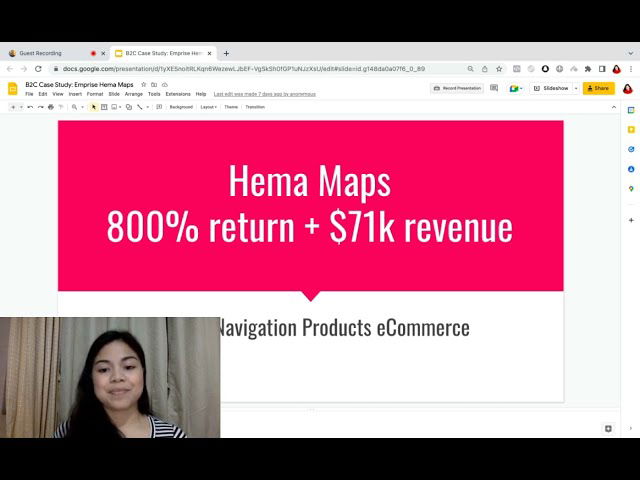
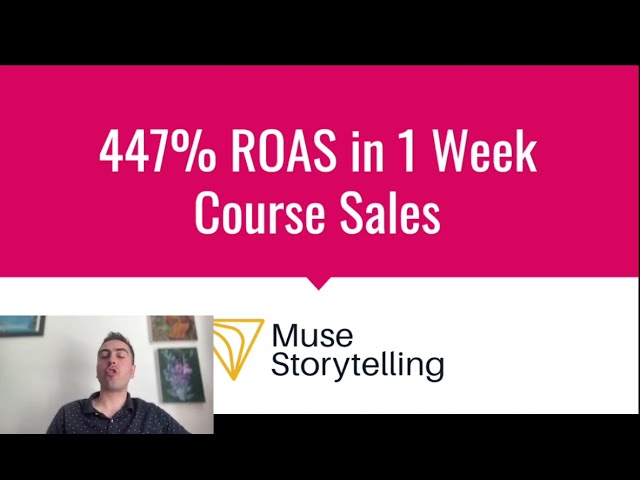
Most people look at case studies the wrong way. They see a big number like "1000% Return On Ad Spend" and get excited. But that number, on its own, is pretty much meaningless. What was the starting point? What was the profit margin? What was the actual revenue and, more importantly, the net profit? How long did it take to get there?
I remember one of our early eCommerce clients, a subscription box company. We got them a 1000% ROAS, which sounds fantastic, and it was. But the real win wasn't some secret targeting trick on Meta Ads. The win came from looking at their entire customer journey. Their ads were okay, but their landing page was leaky, the checkout process had too many steps, and their follow-up email sequence was non-existent. We drove traffic, and it was like pouring water into a bucket full of holes.
Early in my career, I realised I could be the best media buyer in the world, but if the client's destination pages were poor, the campaigns would always fail. You can have the most persuasive ad ever written, but if it leads to a slow, confusing landing page that doesn't continue the conversation, you've just paid to annoy your best prospects. That’s why we don't just run ads; we engineer the whole system, from the ad creative and copy straight through to the landing page design and the offer itself.
Thinking about it like a funnel is the only way that makes sense. The ad is just the very first step. Every step after that is an opportunity to lose a potential customer. A good consultant's job is to plug the leaks at every stage.
The Leaky Bucket: A Typical B2B Funnel
So, when you're talking to a consultant, don't just ask "What ROAS can you get me?". Ask them to show you a landing page they built that converts. Ask them how they approach Conversion Rate Optimisation (CRO). Ask them what they think about your current sales process. If they can't give you a decent answer and just want to talk about keywords or audiences, they're a media buyer, not a growth consultant. There's a big difference.
I'd say you need to understand your numbers before you spend a penny...
The second big mistake I see is an obsession with getting the lowest possible Cost Per Lead (CPL) or Cost Per Click (CPC). It's a false economy. The real question isn't "How low can my CPL go?" but rather "How high a CPL can I afford to acquire a truly great customer?"
The answer to that question lies in your unit economics, specifically your Customer Lifetime Value (LTV). If you don't know this number, you're flying blind. It is the single most important metric for determining how aggressively you can scale your advertising.
Below is a simplified way to think about it:
- Average Revenue Per Account (ARPA): What's a customer worth to you each month?
- Gross Margin %: What's your profit margin on that revenue?
- Monthly Churn Rate: What percentage of customers do you lose each month, on average?
The basic maths is: LTV = (ARPA * Gross Margin %) / Monthly Churn Rate.
Let's take a B2B SaaS business as an example. If they charge £500/month (ARPA), have an 80% gross margin, and lose 4% of their customers each month (churn), their LTV is (£500 * 0.80) / 0.04 = £10,000. Each customer is worth £10,000 in gross margin over their lifetime.
Suddenly, the game changes. A healthy LTV to Customer Acquisition Cost (CAC) ratio is typically 3:1. This means our example SaaS company can afford to spend up to £3,333 to acquire a single new customer and still have a very profitable model. If their sales team converts 1 in 10 qualified leads into a customer, they can afford to pay up to £333 per single, genuinely qualified lead.
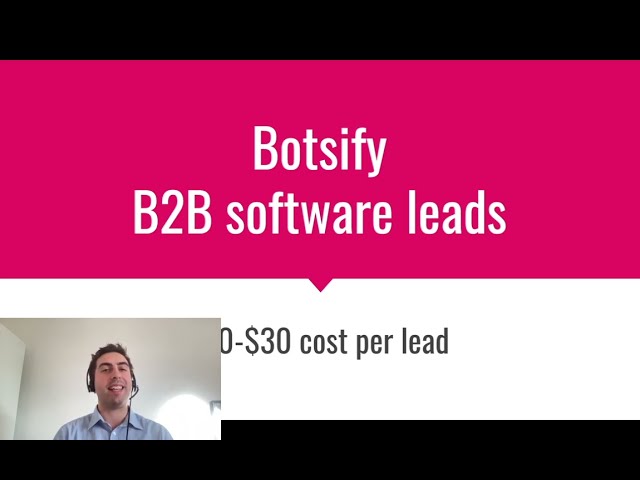
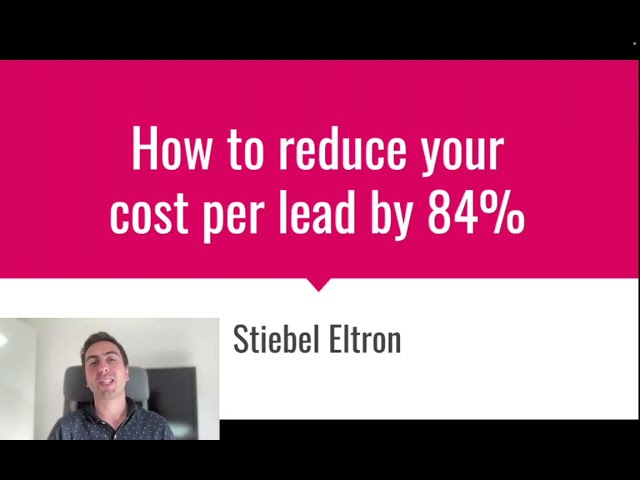
We ran a campaign for a B2B software client on LinkedIn and were getting highly qualified decision-makers for about $22 a lead. To someone without this context, that might sound expensive. But when you know the LTV is in the thousands, $22 is a no-brainer. It's an absolute bargain.
This is the maths that unlocks scale. It frees you from the tyranny of cheap, low-quality leads and allows you to confidently invest in channels that bring you the best customers, not just the cheapest clicks. Any consultant worth their salt should be having this conversation with you on the very first call. If they don't ask about your LTV, churn, and margins, they don't know how to grow a business; they only know how to spend a budget.
Have a play with the calculator below. It's a simplified version, but it should give you a good sense of what your allowable acquisition cost might be.
The Math That Unlocks Growth: Your LTV & Allowable CAC
Enter your business's core metrics to understand how much you can truly afford to spend to acquire a profitable customer.
You probably should fix your offer before you fix your ads...
Now we get to what is, without a doubt, the most common point of failure in advertising: the offer. I've seen beautifully designed ads with perfectly calibrated targeting fall completely flat because the Call to Action (CTA) was "Request a Demo".
Let's be blunt. The "Request a Demo" button is one of the most arrogant CTAs ever invented. It assumes your prospect, who is likely a busy decision-maker, has nothing better to do than book a 30-minute slot in their diary to be sold to. It's high-friction, it promises zero immediate value, and it instantly positions you as just another vendor clamouring for their attention. It's an offer built for your convenience, not for your customer's needs.
The only job of your offer is to deliver a moment of undeniable value. An "aha!" moment. Something that solves a small, real problem for them, right now, for free. This builds trust and makes them sell themselves on your full solution. You have to give value before you can ever hope to ask for a sale.
For a SaaS company, the gold standard is a free trial or a freemium plan—with no credit card required upfront. Let them get their hands on the product. Let them experience the transformation for themselves. I've helped SaaS clients double their trial signups simply by removing that credit card field. For one client, we repackaged their software into a lifetime deal and generated over $30k in sales almost overnight because the value was so clear.
If you're not a SaaS company, the principle is the same. You must bottle your expertise into a tangible asset.
- An agency could offer a free, automated SEO audit that finds 3 keyword opportunities.
- A data analytics firm could offer a 'Data Health Check' that flags critical issues.
- For us, as an advertising consultancy, we offer a free 20-minute strategy session where we audit failing ad campaigns. We solve a real problem for free to earn the right to solve the bigger one.
The impact this has on campaign performance is staggering. It's not an incremental improvement; it's a step-change in efficiency. By shifting from a high-friction "Demo" offer to a high-value "Sandbox" offer, you can dramatically increase your landing page conversion rate. This means for the exact same ad spend, you generate far more leads, and your effective Cost Per Lead plummets.
The Math of Offer Optimisation
Assuming a monthly paid ad budget of £5,000 at an average Cost Per Click (CPC) of £2.50 (2,000 clicks/month):
By changing the offer from a high-friction demo to a high-value sandbox tool, your effective Cost Per Lead decreases by 75% without spending a single extra penny on ads.
You'll need a targeting strategy built on pain, not just demographics...
Once you've got your economics sorted and a killer offer, you can turn your attention to targeting. And this is another place where most people go wrong. They think in terms of sterile demographics. "Our customer is a company in the finance sector with 50-200 employees." This tells you absolutely nothing of value and leads to generic ads that speak to no one.
To stop burning cash, you have to define your customer by their pain. By their specific, urgent, expensive, career-threatening nightmare. Your Ideal Customer Profile (ICP) isn't a person; it's a problem state.
A Head of Engineering isn't just a job title; she's a leader terrified of her best developers quitting because they're frustrated with a broken workflow. A founder isn't just a small business owner; they're someone staring at their cash flow forecast, worried they won't make payroll in three months. That's the nightmare. Your product is the solution.
Once you've isolated that nightmare, the next step is to figure out where these people congregate online. This isn't guesswork; it's intelligence gathering.
- What niche podcasts do they listen to on their commute?
- What industry newsletters do they actually open and read?
- What SaaS tools do they already pay for? (You can often target users of complementary software).
- What specific LinkedIn or Facebook groups are they members of?
This intelligence is the blueprint for your entire targeting strategy. For B2B, especially on a platform like LinkedIn, this allows you to build highly specific, layered audiences that filter out the noise. You don't just target Directors; you target Directors in the software industry at companies of a certain size who are also members of a specific group about SaaS growth. This is how you find the right people and speak directly to their pain.
LinkedIn Ads Targeting Layering Framework
Layer 1: Company Parameters (The Sandbox)
Define your playground. Start by targeting Company Size (e.g., 51–200 employees) AND Target Industry (e.g., Software Development).
Layer 2: Role Authority (The Decision-Maker)
Find the person with the problem and the budget. Layer on Job Functions (e.g., Information Technology) AND Seniority (e.g., Director, VP, CXO).
Layer 3: Explicit Intent (The Final Filter)
Add a layer of precision. Further narrow your audience by targeting specific Member Groups (e.g., "SaaS Growth Hacks") OR Skills listed on their profile (e.g., "Cloud Architecture").
This is how you should evaluate a growth partner...
So, bringing this all together, when you're looking for a growth advertising consultant, the case studies are just the start of the conversation. They prove someone can get results, but you need to know if they can get results for you.
You're not looking for a pair of hands to click buttons in Ads Manager. You're looking for a strategic partner who thinks like a business owner. Someone who challenges you, who forces you to confront the difficult questions about your business, and who builds a complete system designed for one thing: tangible revenue growth.
I've detailed my main recommendations for you below in a table. Use this as a checklist when you're speaking to potential partners. It'll help you quickly sort the experts from the amateurs.
Consultant Evaluation & Action Blueprint
Use this matrix to guide your conversations and identify a true growth partner who can deliver results.
| Evaluation Area | What to Look For (Green Flag) | What to Avoid (Red Flag) | Your First Action |
|---|---|---|---|
| 1. The Conversation (Full Funnel) | They ask about your landing pages, sales process, and CRO before they even mention ad platforms. | Their primary focus is on ad-platform jargon like "bidding strategies" and "quality score". | Ask them: "Beyond the ad, what's the biggest weakness you see in our funnel?" |
| 2. The Numbers (Unit Economics) | They ask for your LTV, CAC, margins, and churn rate on the first call to establish a baseline for success. | They promise a specific low CPL without knowing what a customer is actually worth to you. | Use the calculator above to get a rough idea of your LTV and allowable CAC. |
| 3. The Offer (Value Proposition) | They challenge your current offer and suggest testing higher-value, lower-friction alternatives. | They accept "Request a Demo" as a viable CTA without questioning its effectiveness. | Brainstorm one thing you could offer for free that would solve a small, urgent problem for your ICP. |
| 4. The Strategy (Targeting) | They want to talk in depth about your customer's "nightmares" and pain points, not just demographics. | They suggest broad, generic interest targeting (e.g., "small business owners"). | Write down the single biggest, most expensive problem your product or service solves. |
Hopefully this gives you a much clearer picture of what to look for. This is just a high-level overview, of course. The real work is in digging into the specifics of your business, your market, and your customers to build a strategy that's tailored to you.
If you'd like to have a chat about how this approach could apply to your business specifically, we offer a free, no-obligation initial consultation. We can take a look at what you're doing now and give you some actionable advice you can implement right away.
Regards,
Team @ Lukas Holschuh
Cite this Q&A Guide
If referencing this research, data, or strategy in your publication, please use the attribution below.

Lukas Holschuh
Founder, Growth & Advertising Consultant
Great campaigns fail without expertise. Lukas and his team provide the missing strategy, optimizing your entire advertising funnel—from ad creatives and copy to landing page design.
Backed by a proven track record across SaaS, eLearning, and eCommerce, they don't just run ads; they engineer systems that convert. A data-driven partnership focused on tangible revenue growth.