TLDR;
- A $1,200 Customer Acquisition Cost (CAC) isn't inherently bad, but spending it without knowing your exact Lifetime Value (LTV) and lead-to-close unit economics will burn your bootstrapped runway fast.
- Bin the high-friction "Request a Demo" button on your paid traffic; replace it with a low-friction interactive sandbox or guided trial to capture product-qualified intent.
- Implement pre-qualification friction inside your ad copy and lead forms to stop your internal sales team from wasting time on unworkable, small-scale clinics.
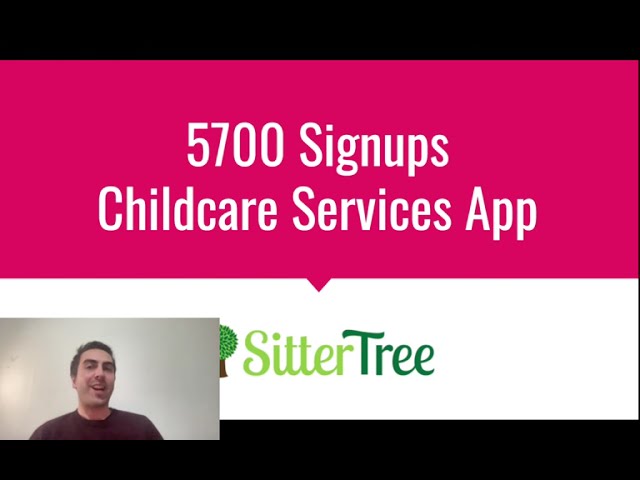
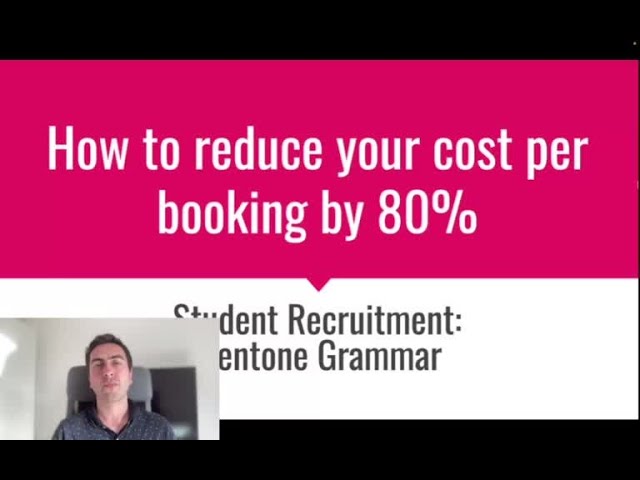
- When vetting fractional agencies, focus on verified B2B case studies and free account strategy reviews rather than agency promises or geographic location.
- Includes interactive CAC & LTV unit economics calculators, an agency vetting diagnostic matrix, and a B2B HealthTech lead qualification framework.
Hi there,
Thanks for reaching out!
I am happy to give you some initial guidance on how to fix this acquisition bottleneck. You are in a classic B2B SaaS scaling pinch point here. Trying to aggressively expand your clinic market share while your internal sales team is drowning in manual lead qualification is a sure-fire way to blow through cash. When your cost per acquired clinic climbs past $1,200, the immediate instinct is to blame the ad channel or start hunting for an agency to save the day. But I would say the real problem almost always sits in the alignment between your paid offer, your lead qualification mechanics, and how you vet external growth partners.
I remember running campaigns for B2B SaaS platforms where throwing ad spend at a broken, high-friction funnel only accelerated the rate of capital burn. We can examine how to get your acquisition economics under control, how to restructure your paid search and social campaigns to pre-qualify clinic decision-makers, and how to evaluate a fractional partner so you do not get taken for a ride by marketers who promise the world but do not understand B2B unit economics.
How do you calculate your true allowable CAC limits?
Before you hire an agency or adjust a single ad campaign, you need absolute clarity on what you can actually afford to spend to acquire a single clinic. A $1,200 CAC might be a complete disaster if your annual contract value is low and your churn is high. On the flip side, if your clinic software generates steady monthly recurring revenue over several years, $1,200 could actually be a massive bargain.
Most SaaS founders and sales leaders look exclusively at immediate payback periods or arbitrary Cost Per Lead (CPL) targets. That is the wrong way to run paid acquisition. What you really need to calculate is your customer Lifetime Value (LTV) based on real gross margin and churn figures, and then back out your allowable cost per qualified lead from your actual sales close rates.
To figure out your true unit economics, you start with three core metrics: your Average Revenue Per Account (ARPA), your Gross Margin percentage, and your Monthly Churn Rate. The basic mathematical formula for LTV is straightforward:
LTV = (ARPA * Gross Margin %) / Monthly Churn Rate
Let's run a real scenario for a HealthTech EHR platform selling to small outpatient clinics. Suppose your average clinic pays £400 per month for your core software and add-on modules. Your cost to service that account (cloud hosting, customer support, compliance checks) leaves you with an 80% gross margin (£320 net profit per month per clinic). If your monthly churn rate across your clinic customer base is 2%, your average clinic sticks around for 50 months (1 / 0.02).
Plugging those figures into our formula gives us an LTV of (£400 * 0.80) / 0.02 = £16,000 in gross margin over the lifetime of that account. In B2B SaaS, a healthy, conservative target ratio for LTV to Customer Acquisition Cost (CAC) is 3:1. That means you can comfortably afford to spend up to a third of your lifetime gross margin to acquire a customer while remaining highly profitable and keeping cash flow sustainable.
With an LTV of £16,000, a 3:1 LTV:CAC ratio means your maximum allowable CAC is £5,333. If your current CAC is sitting at $1,200 (around £950), your acquisition isn't actually expensive relative to account value—your main issue is that your sales team is burning precious hours talking to the wrong leads, and your cash flow payback speed might be too slow for a bootstrapped budget.
Now, let's connect that allowable CAC back to your sales team's workload. If your sales reps convert 1 out of every 10 leads that book a call into a paying clinic customer (a 10% demo-to-close rate), you can afford to pay up to £533 per qualified lead. If your reps convert 1 in 5 (20%), you can pay up to £1,066 per qualified lead. When you understand this math, a £200 or £300 lead from a qualified clinic manager on Google Search or LinkedIn doesn't feel expensive anymore—it becomes a very straightforward mathematical trade-off.
HealthTech SaaS Unit Economics Benchmarks
Audited baseline benchmarks for evaluating allowable CAC and sales team capacity in small clinic EHR acquisition.
To help you test your own numbers and figure out exactly how much room you have to manoeuvre, I built an interactive LTV and allowable CPL calculator below. You can slide your monthly account pricing, churn assumptions, and sales close rates to see your target metrics update in real time.
HealthTech SaaS LTV & Allowable CPL Calculator
Adjust your account values, churn rate, and demo conversion rates to establish your true target acquisition budget.
How should you vet a fractional growth partner?
Now that you know your math, let's address your core question: how do you find and vet a fractional marketing agency or consultant without getting burned? As a bootstrapped founder or VP of Sales, you cannot afford to hire an agency that treats your account as a testing ground for junior media buyers.
The agency ecosystem is full of generalist providers who talk a big game about omnichannel growth and brand building but have no idea how to structure a B2B acquisition engine. When you are selling EHR platforms to clinic directors, generalist tactics will fail. Clinic managers do not buy software because they saw a shiny video ad on social media; they buy when a software solves an immediate, painful operational issue—like compliance burdens, billing errors, or patient scheduling bottlenecks.
When you start interviewing prospective growth partners, skip the polished pitch decks and focus entirely on strategic proof. Here is how I recommend evaluating them:
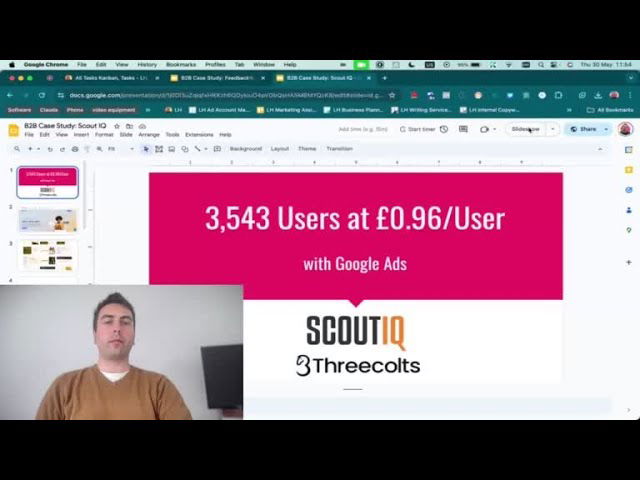
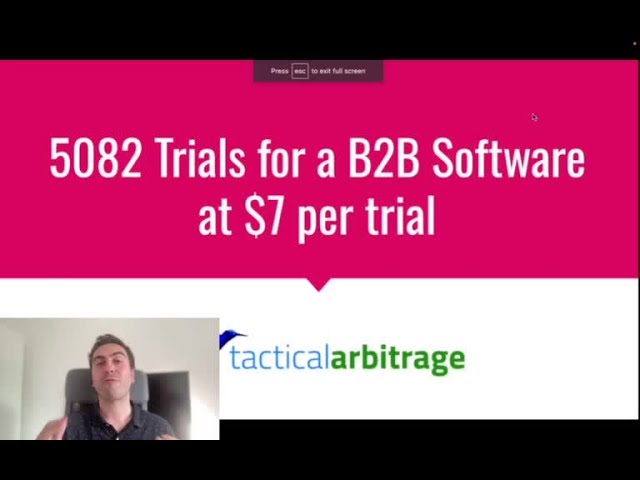
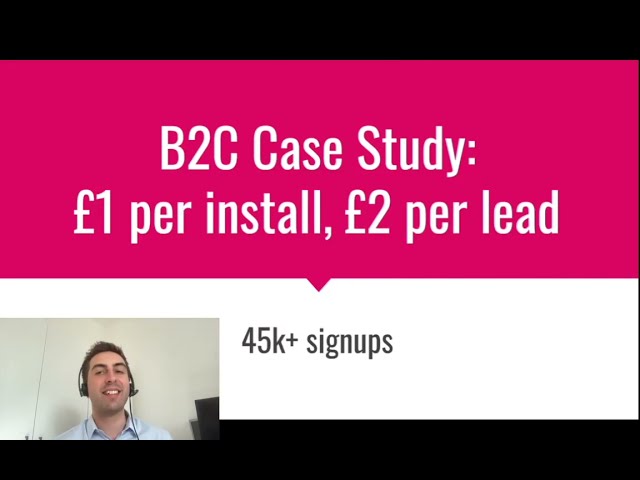
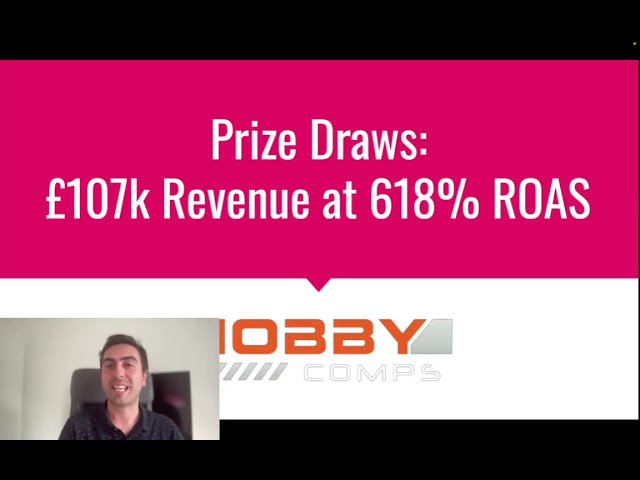
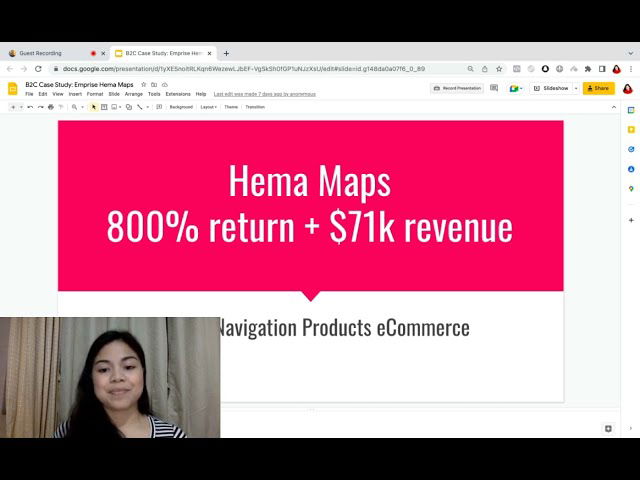
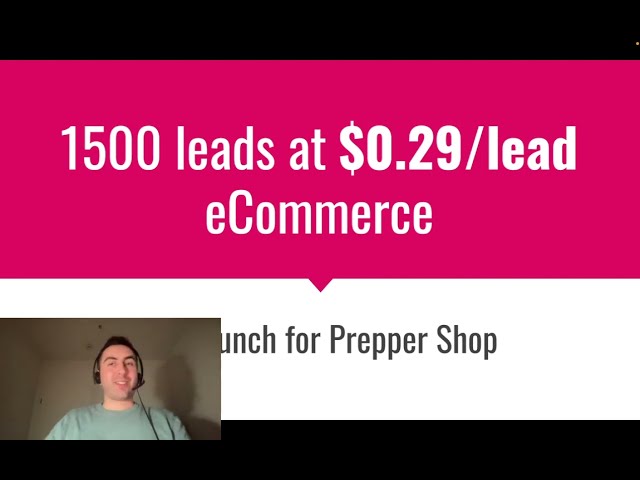
First, take a hard look at their case studies. You want to see whether they have real experience with B2B SaaS or complex, high-ticket services with longer sales cycles. If an agency only shows off eCommerce metrics or B2C lead generation for local home services, bin them. The buying dynamics of a consumer spending £50 on a store are completely different from a clinic operations director signing a multi-year software contract.
Second, get on a consultation call with them and insist on a technical review of your strategy and account. For instance, we offer a free initial consultation where we sit down with prospective clients, audit their full funnel—from ad copy and audience setup down to the landing page form fields—and tell them straight where money is being leaked. A good partner will immediately highlight structural flaws, like sending unsegmented paid search traffic to a generic homepage, or running vague "Request a Demo" calls-to-action on cold traffic.
Look for genuine expertise on these calls, not just promises of lower costs. To be honest, in paid advertising, anyone who promises you a specific CPL or CAC figure before seeing real campaign performance data is misleading you. No media buyer can predict exact performance across ad networks. What a real expert can promise is a data-driven system for testing messaging, isolating high-performing channels, and engineering landing pages that convert.
Third, review their client feedback and methodology, but understand how trust works. If an agency has documented case studies walking through their exact strategies and solid client reviews, that gives you a clear picture of what working with them looks like. (If someone asks us for client phone numbers or reference calls after we have already walked them through detailed case studies and given them a free account audit, it is an instant red flag for us that we are not a good fit. It signals they do not trust our process, and that lack of trust usually makes for a toxic working relationship.)
Lastly, do not worry about where the agency is based. Whether a team is sitting in London, New York, or anywhere else matters far less than whether they have the specific expertise to engineer a B2B acquisition funnel that scales your revenue.
Fractional Agency Vetting Diagnostic Matrix
Practical criteria for evaluating prospective B2B marketing partners without risking runway capital.
| Evaluation Pillar | Red Flag (Bin Immediately) | Green Flag (Proven Expertise) | Expected Strategic Outcome |
|---|---|---|---|
| 1. Guarantees & Pricing | Promises guaranteed CPL/CAC figures before running ads | Focuses on unit economics, allowable CAC, and systematic testing | Predictable CAC Alignment |
| 2. Scope & Deliverables | Only manages Ads Manager (bidding/keywords); ignores landing pages | Takes full ownership of ad creative, copy, and landing page CRO | Full-Funnel Conversion Lift |
| 3. Technical Depth | Suggests broad social awareness campaigns for B2B healthcare | Recommends high-intent search and pre-qualified LinkedIn targeting | Qualified Lead Intent |
| 4. Audit & Onboarding | Delivers generic pitch decks without reviewing your sales funnel | Performs a thorough audit of your funnel friction during intro calls | Immediate Waste Elimination |
Why should you eliminate high-friction demo requests?
Let's talk about the single biggest failure point in B2B software advertising: your offer. If your paid search campaigns are sending clinic directors to a landing page with a big red "Request a Demo" button, you are burning cash needlessly.
The "Request a Demo" call-to-action is one of the most demanding offers in software marketing. It assumes that a busy clinic owner or practice administrator has nothing better to do than book a 45-minute sales call to sit through a generic pitch from a junior SDR. It is high-friction, low-value, and positions your platform as just another commoditised vendor fighting for attention.
Your offer's only job when running ads to cold traffic is to deliver a moment of undeniable value—an moment where the clinic prospect sees exactly how your EHR platform fixes their nightmare. If you do not offer value upfront, you will suffer from dismal landing page conversion rates, which drives your CPL through the roof and leaves your sales team chasing unmotivated leads.
For a HealthTech SaaS, you have several ways to fix this offer friction depending on your software's technical setup:
Option A: Guided Sandbox Offer. Give them instant, frictionless access to an interactive product sandbox right from the landing page. Let them see how clean the scheduling interface is, how easy clinical note-taking works, or how quickly claims get processed. They do not need to speak to a rep or enter credit card details. When they see the actual software solving their problem in 60 seconds, they sell themselves. You stop generating cold leads for reps to chase; you start generating Product-Qualified Leads (PQLs) who actually want to buy.
Option B: Free Trial (No Credit Card). I have helped SaaS clients massively increase trial volume simply by removing the credit card requirement upfront. A completely free trial allows clinic staff to test the workflow during a live day of practice. Once they experience how much admin time it saves, onboarding them to a paid tier becomes a natural next step.
Option C: Interactive Audit Tool. If your software requires complex setup or HIPAA compliance data migration that makes instant sandbox access difficult, bottle your expertise into an interactive tool. For instance, build a "Clinic Workflow & Compliance Audit Calculator" where clinic managers answer five quick questions about their current EHR setup and receive an instant breakdown of lost revenue and compliance risk areas. You solve a real, urgent problem for free to earn the right to demo the full platform.
The Math of Landing Page Offer Transformation
Assuming a monthly paid search budget of £5,000 at an average Cost Per Click (CPC) of £5.00 (1,000 clinic clicks/month):
By shifting your offer from a high-friction demo form to an interactive product sandbox, your cost per qualified entry drops by 81% on the exact same ad budget.
How can pre-qualification friction protect your sales team?
You mentioned that your internal team is stretched thin juggling lead qualification and sales calls. This is a classic symptom of running open, low-friction forms to cold traffic without strategic filtering. When your marketing campaign generates leads that turn out to be solo practitioners with no budget or single-provider clinics that cannot afford your software, your sales reps waste hours every day doing manual triage instead of closing viable accounts.
To fix this, we need to introduce strategic friction across three distinct layers of your acquisition engine: your ad copy, your landing page messaging, and your lead capture forms.
Many performance marketers will tell you to remove form fields and keep everything as short as possible to drive down CPL. That advice works fine for low-ticket B2B products, but in B2B software, keeping form fields minimal just floods your sales pipeline with junk. We let the ad copy, landing page, and lead form do the heavy lifting to screen out bad-fit prospects before they ever touch a sales rep's calendar.
Here is how you layer qualification friction into your acquisition system:
Layer 1: Ad Copy Disqualification. Use explicit qualification language in your ad copy. If your EHR platform is built for multi-provider outpatient clinics handling 3 to 20 practitioners, say that right in the headline and body copy. Write lines like: "Designed specifically for multi-provider clinics handling 500+ patient visits a month. Not suitable for sole practitioners." This simple statement instantly deters low-value clicks, saving you money on non-converting ad traffic.
Layer 2: Landing Page Positioning. Your landing page must speak to your ideal customer's specific, urgent, expensive nightmare. Do not write generic headlines like "The Leading Cloud EHR for Modern Healthcare." Speak to the pain: "Tired of spending 3 hours on charting after the clinic closes while your billing claims get delayed by compliance errors?" When a clinic manager reads copy that hits their exact daily frustration, they recognize that your platform was engineered for them.
Layer 3: Multi-Step Lead Screening. When a prospect clicks to access your sandbox or demo, do not just ask for an email and phone number. Include strategic qualification questions. Ask for their clinic specialty, the number of active full-time practitioners, and their primary compliance requirement. If a lead selects "1 provider," your system automatically routes them to a self-serve recorded product tour video and email nurture sequence, preserving your sales reps' calendars for clinics with 5+ providers.
HealthTech Lead Qualification & Screening Layering Framework
Layer 1: Strategic Ad Copy Disqualification (Top of Funnel)
Call out specific firmographic constraints directly in ad text: "Built for multi-provider practices (3-20 practitioners)." Filters out unqualified clicks before you pay for the traffic.
Layer 2: Landing Page Pain Positioning (Middle of Funnel)
Headline and sub-headline focus on specific operational pain points (e.g., claims rejection rates, HIPAA audit worries) to self-select serious practice management leads.
Layer 3: Form Field Friction & Automated Triage (Bottom of Funnel)
Require clinic size, current EHR system, and monthly patient volume on form submission. Auto-route leads with <3 providers to self-serve tours; route >3 providers straight to account reps.
Which channels and targeting options work best for HealthTech?
Now let's examine where your ads should actually be running. You mentioned that you are currently trying to expand using paid search. Paid search is great for catching clinic administrators who are actively searching for a solution, but if your keyword strategy is too broad, you will quickly waste your search budget.
On Google Search Ads, the main requirement is targeting keywords that express explicit commercial intent, while avoiding broad informational queries. For example, bidding on broad terms like "clinic software" or "electronic health records" will bleed cash because those terms are searched by students, researchers, medical staff looking for login portals, and job seekers.
Instead, focus strictly on high-intent commercial terms where the searcher is explicitly seeking a vendor solution:
- "EHR software for small medical clinics"
- "Outpatient clinic practice management software"
- "HIPAA compliant charting software for clinics"
- "Best EHR software for private medical practices"
- "Alternative to [Competitor Name] EHR"
When you target competitor alternative keywords, you reach clinic decision-makers who are already using a legacy system, hate the bloated fee structure or poor customer support, and are actively searching for a replacement. This traffic converts at a much higher rate because the prospect is already problem-aware and solution-aware.
Beyond Google Search, your second primary channel for HealthTech acquisition should be LinkedIn Ads. While Google Search captures active demand, LinkedIn allows you to target clinic decision-makers who are not searching today but fit your Ideal Customer Profile (ICP) perfectly.
On LinkedIn Ads, you have access to precise B2B firmographic targeting that other networks cannot match. You can layer your target audience parameters like this:
- Company Industry: Healthcare Services, Medical Practices, Hospitals & Health Care
- Company Size: 11–50 employees, 51–200 employees (ideal small-to-mid clinic range)
- Job Seniority: Director, VP, Chief Executive Officer, Practice Owner
- Job Functions / Titles: Medical Director, Practice Administrator, Clinic Operations Director, Managing Physician
When running ads on LinkedIn, steer clear of generic brand awareness objectives. Set your campaign objective strictly to Lead Generation or Website Conversions. Use Sponsored Content single-image ads or short video ads that speak directly to the clinic manager's pain points, using proven copywriting frameworks like Problem-Agitate-Solve (PAS) or Before-After-Bridge (BAB).
Here is how a Problem-Agitate-Solve ad copy script looks for your platform:
Problem: Are your clinic's physicians spending two extra hours every evening finishing clinical documentation and fixing coding errors?
Agitate: Outdated, bloated EHR platforms do not just slow down your patient flow—they cause physician burnout, increase claims rejections, and leave your practice exposed during compliance audits. Meanwhile, your administrative costs keep rising while patient satisfaction drops.
Solve: Our EHR platform was engineered specifically for small outpatient clinics to streamline charting, automate claim coding, and cut documentation time by 50%. Test the software inside our interactive product sandbox in under 60 seconds—no credit card or sales call required.
Cost Per Qualified Lead Benchmarks across B2B Channels
Real-world cost-per-lead benchmarks from actual client campaign datasets across software acquisition channels.
Data source: Internal client campaign benchmarks across B2B SaaS and app growth verticals.
How should you structure your paid acquisition funnel?
To pull all these elements together—channel targeting, offer transformation, and automated qualification—you need a modern paid funnel architecture. You cannot rely on a manual sales triage process where every incoming web form triggers an email that sits in a rep's inbox for half a day.
Speed to lead is extremely important in B2B software sales. If a clinic director requests a demo or submits an inquiry, their intent decays rapidly every hour that passes. If your reps take 24 hours to respond, that clinic administrator has already moved on, booked a call with a competitor, or forgotten they filled out the form.
Here is how a high-converting HealthTech funnel operates from top to bottom:
Stage 1: Intent & Persona Capture. Your ads run on Google Search (targeting high-intent commercial keywords) and LinkedIn Ads (targeting practice directors at clinics with 11–200 staff). Ad copy pre-qualifies traffic by calling out clinic size and practice pain points.
Stage 2: Low-Friction Landing Page. Traffic hits a dedicated landing page designed specifically around your sandbox or free trial offer. The page highlights key software workflows, security compliance badges (HIPAA, ISO), and real clinic testimonials.
Stage 3: Interactive Screening Form. When prospects click to start their trial or sandbox tour, they complete a short multi-step form capturing core firmographics: clinic specialty, number of providers, current EHR software, and monthly patient volume.
Stage 4: Automated Lead Routing & Triage. Your CRM (like HubSpot or Salesforce) instantly evaluates the lead criteria using automated workflow rules (via Zapier or native integrations). High-value accounts (>3 providers) get directed straight to an interactive scheduling widget (like Calendly or HubSpot Meetings) to book a call with a senior account executive, while low-tier leads (<3 providers) receive instant self-serve login details for an automated video walkthrough.
Stage 5: Instant Sales Rep Alerting. When a high-value clinic books a demo spot, your sales reps receive an instant Slack or CRM notification with full lead context. This allows reps to research the practice prior to the call and show up prepared to close.
HealthTech Paid Acquisition & Triage Architecture
To help you simulate the potential impact of introducing these strategic levers into your HealthTech acquisition funnel, I built an interactive scenario simulator below. You can toggle different implementation levers—such as switching to high-intent search keywords, removing demo friction, or adding form qualification—to see the projected lift in qualified clinic conversions.
HealthTech CAC Compression Lever Simulator
Select your current campaign volume and toggle implementation levers to simulate qualified pipeline gains.
This is the main advice I have for you:
HealthTech Paid Acquisition Action Blueprint
Prioritized execution matrix mapping optimization steps to expected impact on clinic CAC and sales team capacity.
| Implementation Phase | Core Failure Point | Actionable Fix | Expected Strategic Impact |
|---|---|---|---|
| 1. Economics & Allowable CAC | Evaluating ads on raw CPL without calculating gross margin LTV | Establish allowable CAC ceiling based on 3:1 LTV ratio (£5,333 cap on £16k LTV). | Clear Acquisition Budget Cap |
| 2. Agency Vetting Strategy | Hiring generalist agencies making false CPL promises | Insist on B2B SaaS case studies and a free initial strategy/funnel review call. | Avoid Wasted Agency Fees |
| 3. Offer Friction Fix | High-friction "Request a Demo" button burning search traffic | Replace with guided sandbox offer or free trial (no credit card required). | -81% Cost Per Entry |
| 4. Lead Screening & Triage | Sales reps burning hours qualifying low-value sole practitioners | Add form screening (clinic size & provider count); auto-route via CRM. | 70%+ Sales Capacity Saved |
| 5. Search & Social Targeting | Bidding on broad keywords ("clinic software") on search networks | Focus strictly on intent terms and LinkedIn decision-maker firmographics. | Higher Conversion Intent |
Fixing a B2B acquisition funnel requires a lot more than just tinkering with ad campaign settings in Google Ads Manager or tweaking daily budgets. Great campaigns fail without deep expertise across the whole growth engine—from ad positioning and persuasive copywriting down to landing page CRO, lead qualification mechanics, and sales workflow automation.
My team and I do not just run ads; we engineer complete systems that turn cold intent into predictable revenue growth. We take full ownership of your entire advertising funnel, auditing your copy, designing landing pages that convert, and setting up automated lead screening so your sales reps only speak with pre-qualified clinic directors.
If you'd like to see how these strategies apply specifically to your HealthTech SaaS platform, we offer a free initial consultation. On the call, we will look directly at your current strategy, review your acquisition funnel together, and map out a clear plan to compress your CAC and protect your sales team's capacity. If that sounds like a good fit, get in touch and we can set up a time to chat.
Regards,
Team @ Lukas Holschuh
Cite this Q&A Guide
If referencing this research, data, or strategy in your publication, please use the attribution below.

Lukas Holschuh
Founder, Growth & Advertising Consultant
Great campaigns fail without expertise. Lukas and his team provide the missing strategy, optimizing your entire advertising funnel—from ad creatives and copy to landing page design.
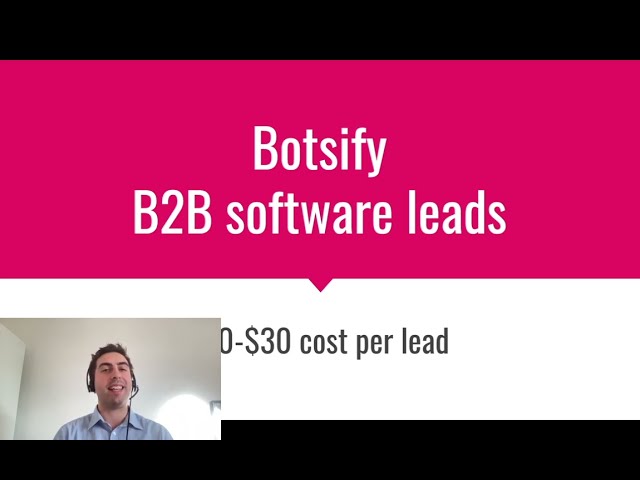
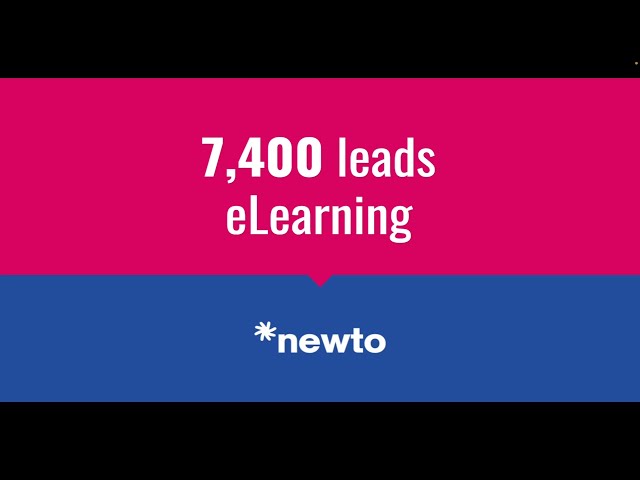
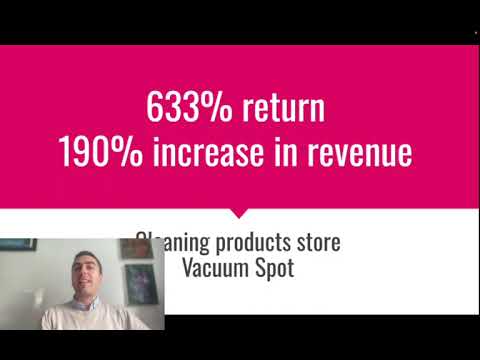
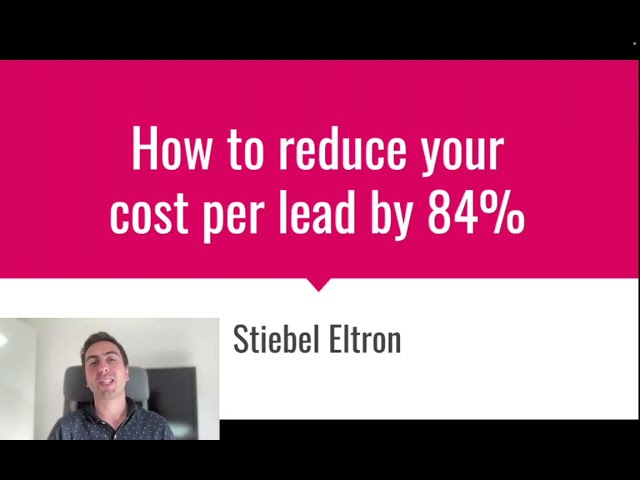
Backed by a proven track record across SaaS, eLearning, and eCommerce, they don't just run ads; they engineer systems that convert. A data-driven partnership focused on tangible revenue growth.